

MOQ from 1 Piece
More practical for new stores, smaller test orders, and lower-risk first purchases.


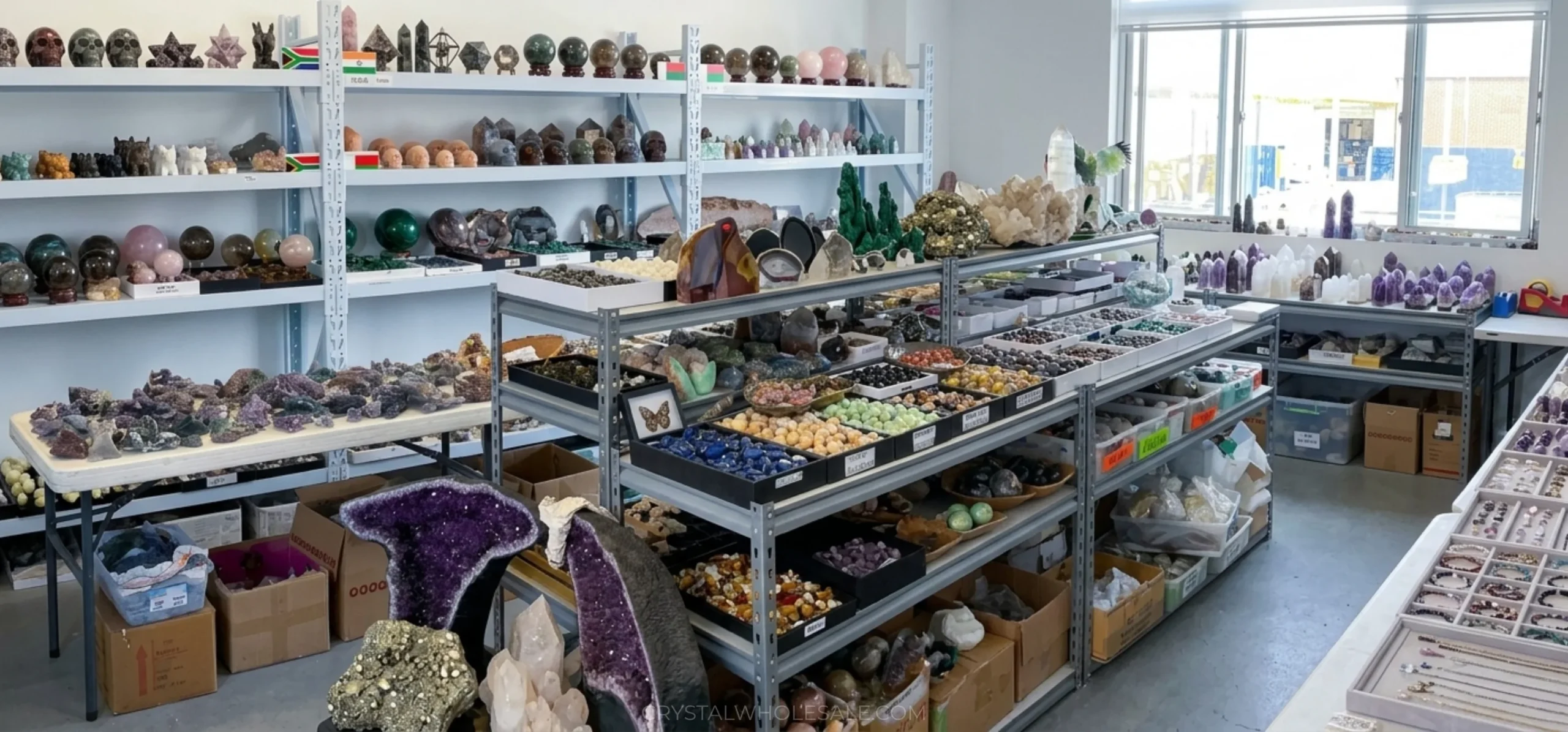
This guide explains how resale buyers can evaluate wholesale crystal suppliers, compare sourcing paths from raw material to finished distribution, understand pricing logic, and choose product types that are easier to sell and restock.




Choosing a supplier is not just about finding the lowest price. For resale buyers, the bigger risks usually come from unclear material disclosure, rigid MOQ, weak mixed-order support, unstable batches, poor packing, and unreliable restock ability.
For crystal shops, gift stores, live sellers, and online retailers, a supplier with a slightly lower price but messy product information, inconsistent batches, and weak restock support usually creates more long-term risk than a supplier with clearer standards and smoother ordering. Wholesale buying is not just about placing the first order. It is about whether the products can be sold, reordered, and restocked with fewer problems later.
The goal of this section is not to ask which supplier looks best at first glance, but to clarify what should be checked first and what can be judged later. In real purchasing, material and treatment transparency, along with MOQ and mixed-order flexibility, usually belong in the first layer of evaluation. Product consistency, packing and shipping reliability, and restock stability fit better in the second layer. Custom and branding support are usually added-value factors for later growth.
| Evaluation Factor | Priority | What to Look At | How to Check |
|---|---|---|---|
| Material and treatment transparency | First Priority | Whether natural, treated, synthetic, or composite products are clearly distinguished | Check whether the product page and sales communication state this clearly |
| MOQ and mixed-order flexibility | First Priority | Whether the supplier is suitable for a lower-risk first order | Check whether low MOQ and cross-material or cross-shape mixed orders are supported |
| Product consistency | Second Priority | Whether batch color, size, clarity, and workmanship stay reasonably stable | Ask for batch photos, videos, and actual size ranges instead of relying on one selected sample image |
| Packing and shipping reliability | Second Priority | Whether the supplier handles crystal shipping properly | Review pack-out details, delivery timing, and breakage handling terms |
| Restock stability | Second Priority | Whether strong sellers can be reordered without major changes | Check whether staple lines stay available and whether repeat orders are practical |
| Custom and support options | Added Value | Whether packaging or branding support is available | Ask whether logo cards, insert cards, boxes, or some packaging customization can be discussed |
There is more than one way to source wholesale crystals. For most resale buyers, the real question is not which option looks cheapest, but which sourcing path matches the current stage of the business. Different sourcing paths vary in cost control, product specialization, finished-product convenience, ordering flexibility, and restock stability.
For buyers who need steady reorders and smoother day-to-day purchasing, a crystal wholesaler is usually the most practical choice. Buyers who care more about upstream control, shaping output, or production requirements may need to move earlier in the chain. Buyers running broader gift-led or mixed retail assortments often benefit more from trade wholesalers than from crystal-specific supply.
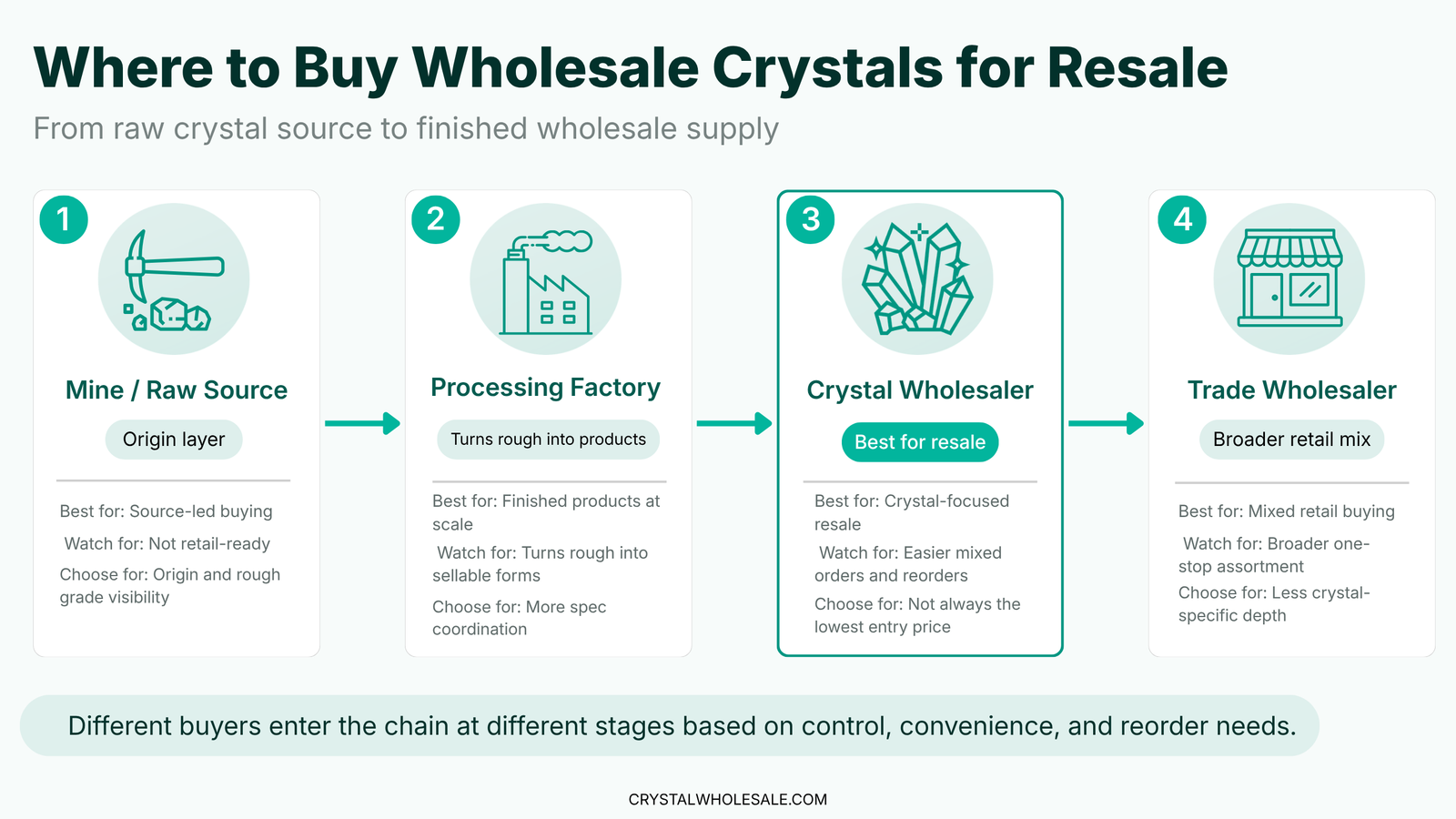
The further upstream a buyer goes, the closer they get to origin, rough grade, and production control, but the more sourcing complexity they usually take on. The further downstream they buy, the easier it becomes to order finished products, mix assortments, and restock with less friction.
Most crystal-focused retailers are better served by the crystal wholesaler stage because it offers finished assortments, clearer product language, and easier repeat ordering. Trade wholesalers make more sense when crystals are only one part of a broader retail mix.
Wholesale crystal pricing is shaped by more than the material name. Two products may both be sold as amethyst, rose quartz, or fluorite, yet still sit in very different wholesale price ranges. That difference usually comes from several layers working together, including the material itself, color and clarity, size and weight, shape and workmanship, batch consistency, and any packaging or customization requirements.
For retail buyers, pricing only becomes useful when it is read together with the actual product standard behind it. A quote only matters if the material disclosure, appearance grade, size range, packing standard, and reorder potential all make sense at that price.
| Pricing Factor | Priority | Impact on Price |
|---|---|---|
| Material scarcity and market recognition | First Priority | Better-known or rarer materials usually carry a wider wholesale price range |
| Appearance quality: color, clarity, fractures, overall look | First Priority | Within the same material, appearance quality is often the biggest reason for price gaps |
| Size and weight | Second Priority | Larger spheres, towers, clusters, and heavier items usually rise faster because of material loss and shipping risk |
| Shape and workmanship | Second Priority | Basic polished forms cost less than spheres, carvings, matched pieces, and refined display items |
| Batch consistency | Second Priority | More uniform lots are easier for retailers to price and display, so they often cost more |
| Restock stability | Added Value | Product lines that can be restocked more steadily have stronger long-term resale value |
| Packaging and custom requests | Added Value | Gift packaging, labels, branding, inserts, and special packing requirements increase final cost |
For resale buyers, the easiest product types to start with are usually easier to display, easier to price, and easier to fit into gift-led or entry-level retail. Compared with highly individual large pieces or collector-heavy formats, these basic forms are easier to test first and expand later.
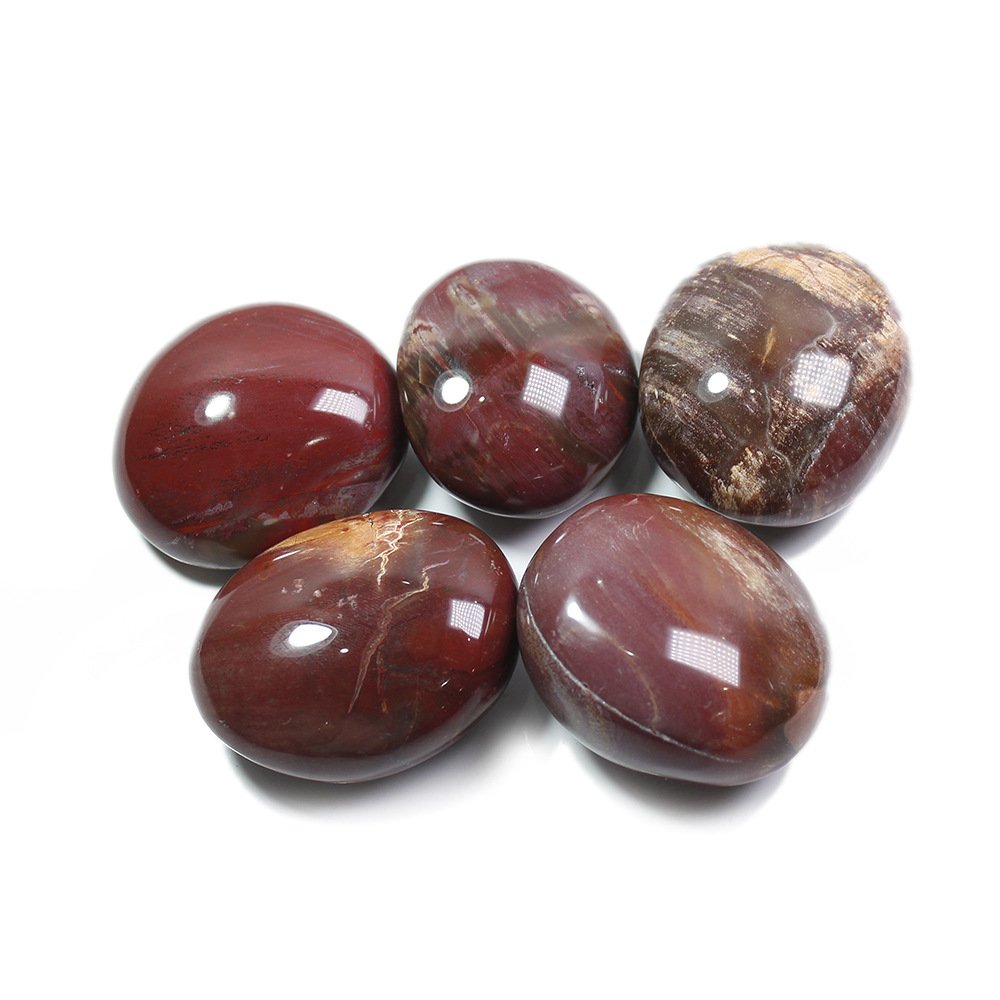
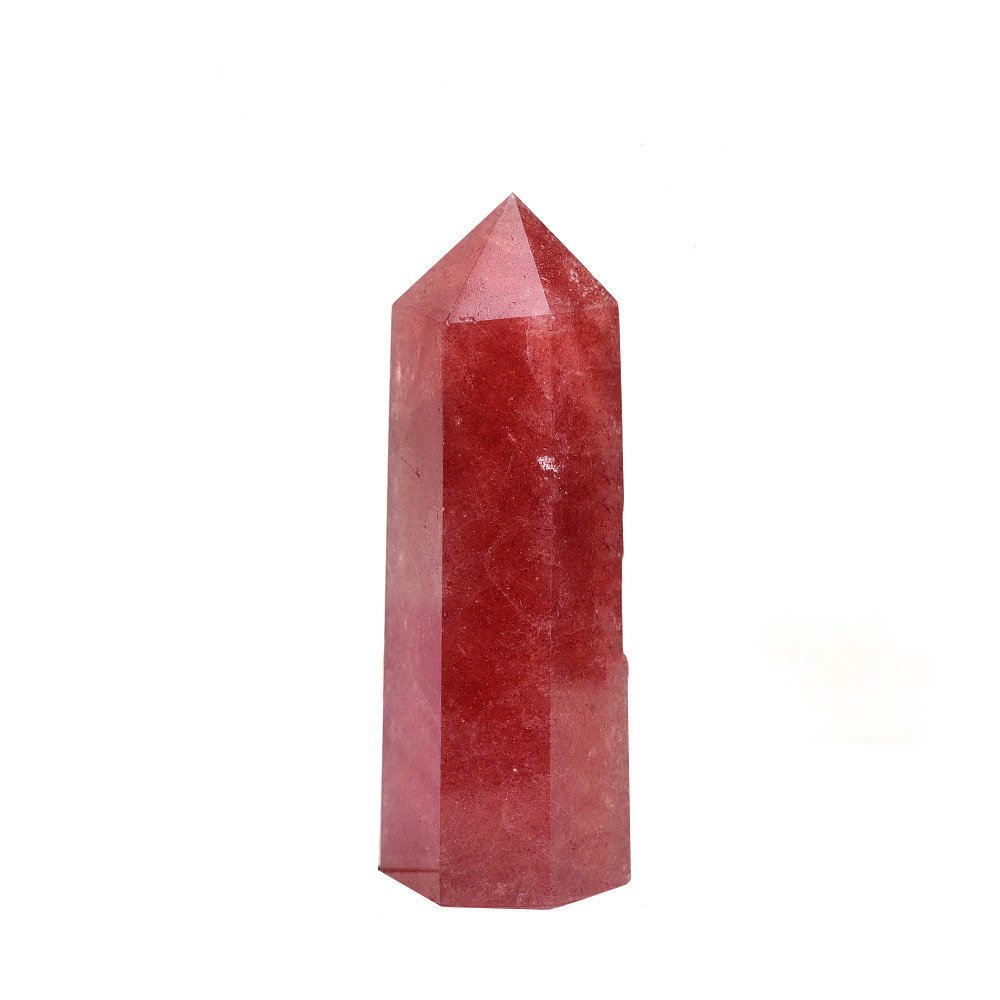
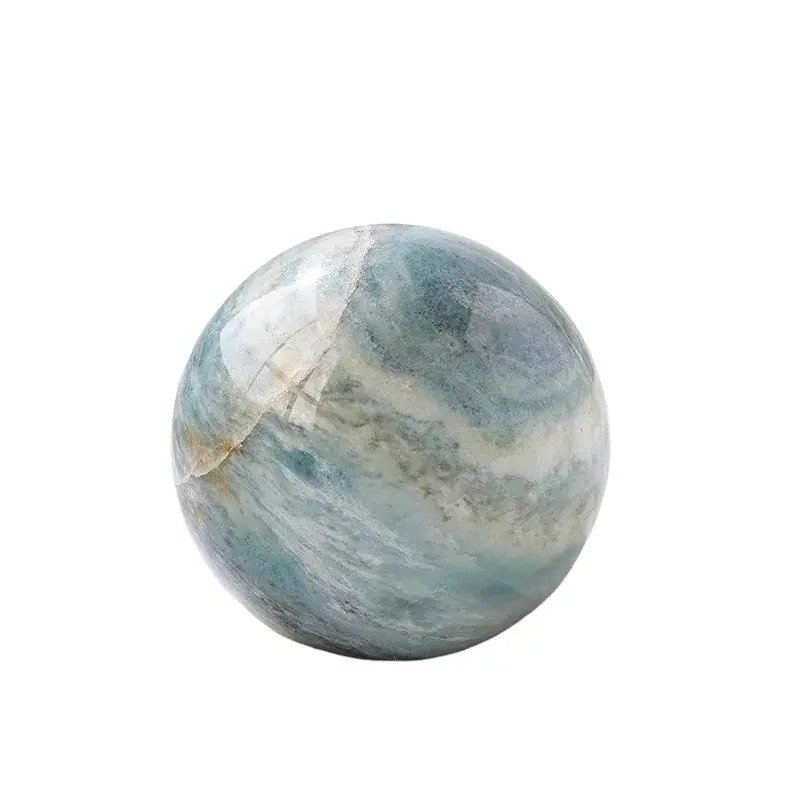
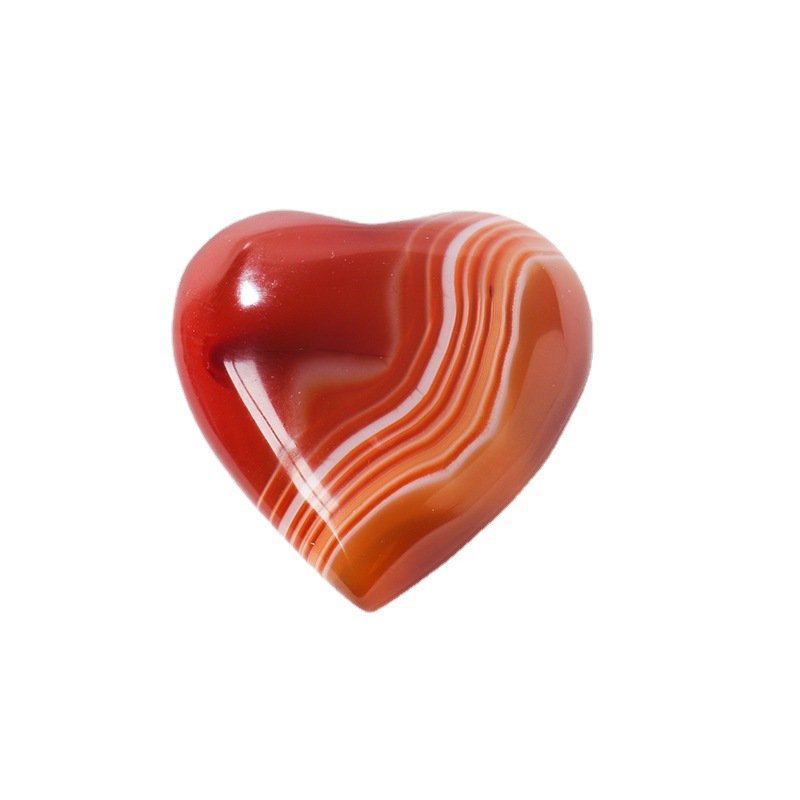
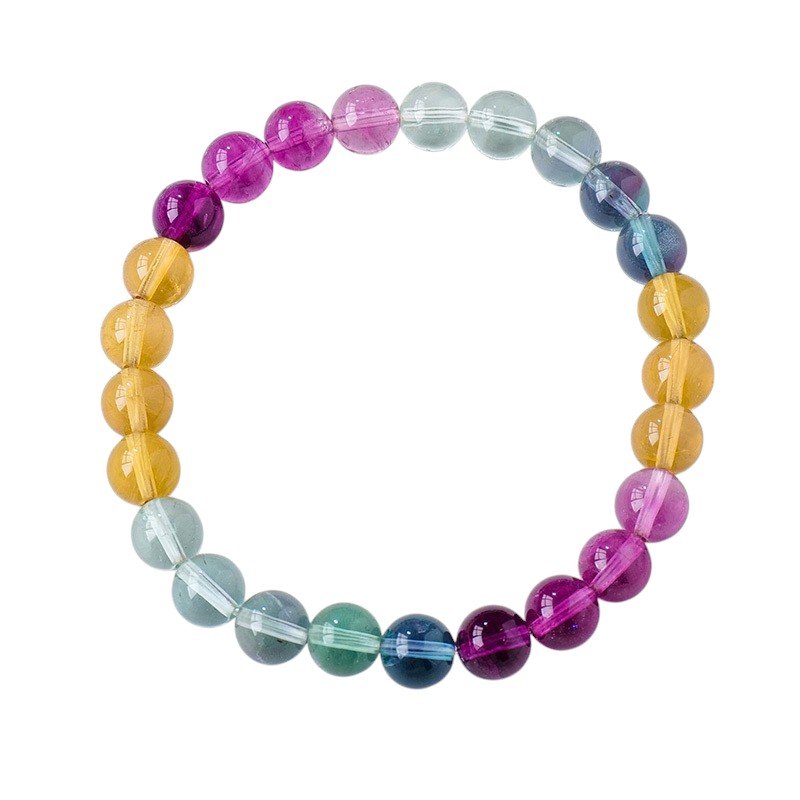
If the goal is to validate demand and build a starter assortment, it usually makes more sense to begin with shapes that are easier to merchandise, explain, and reorder. Tumbled stones, towers, spheres, hearts, palm stones, and bracelets are often more practical starting points than large clusters or highly irregular one-off pieces.
The best materials for resale are usually not the rarest or most niche. They are the ones with strong market recognition, clear visual identity, understandable price tiers, and enough versatility to work across multiple product forms. For most retail buyers, it is easier to build steady sales by starting with foundational materials that customers already recognize, accept easily, and reorder more consistently.
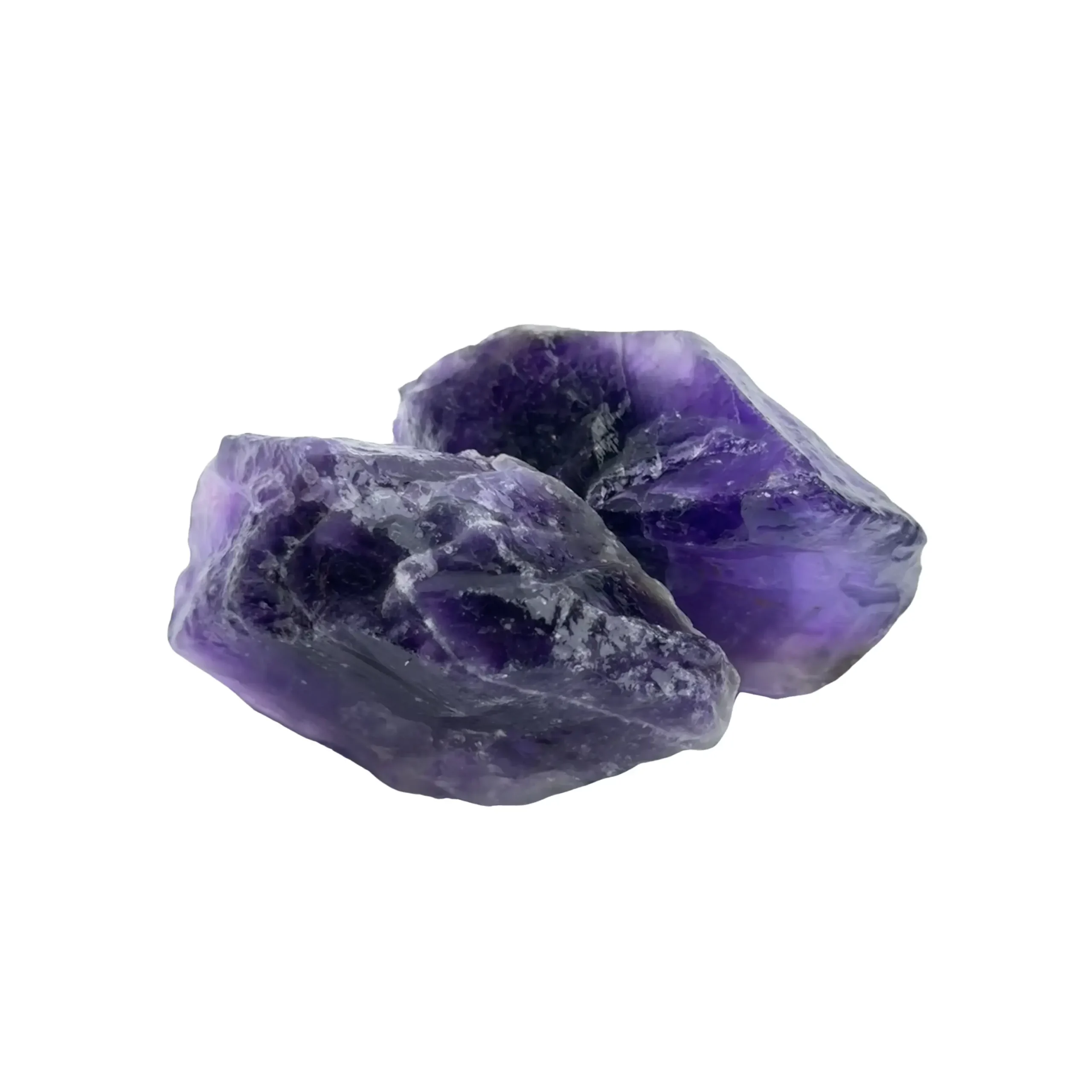
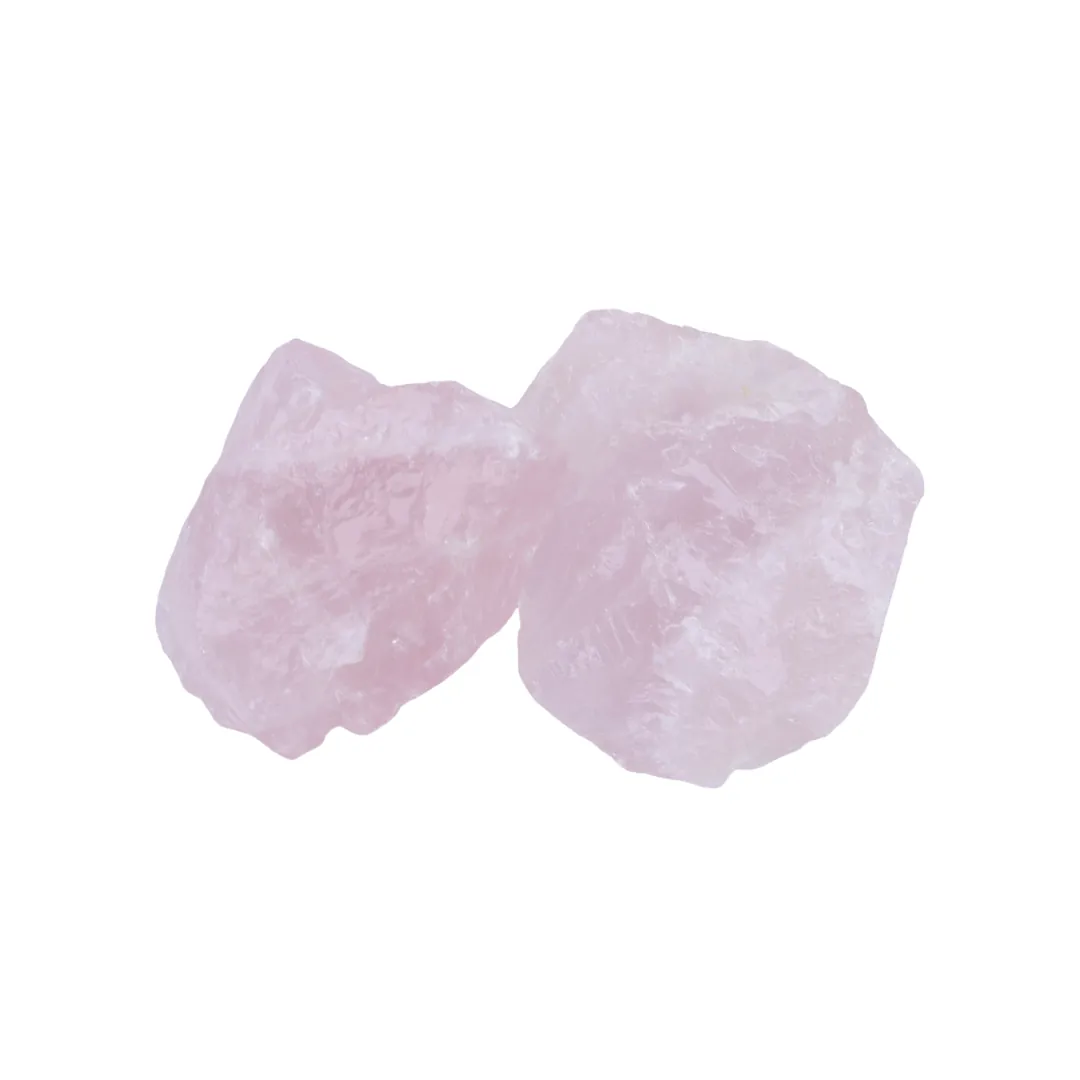
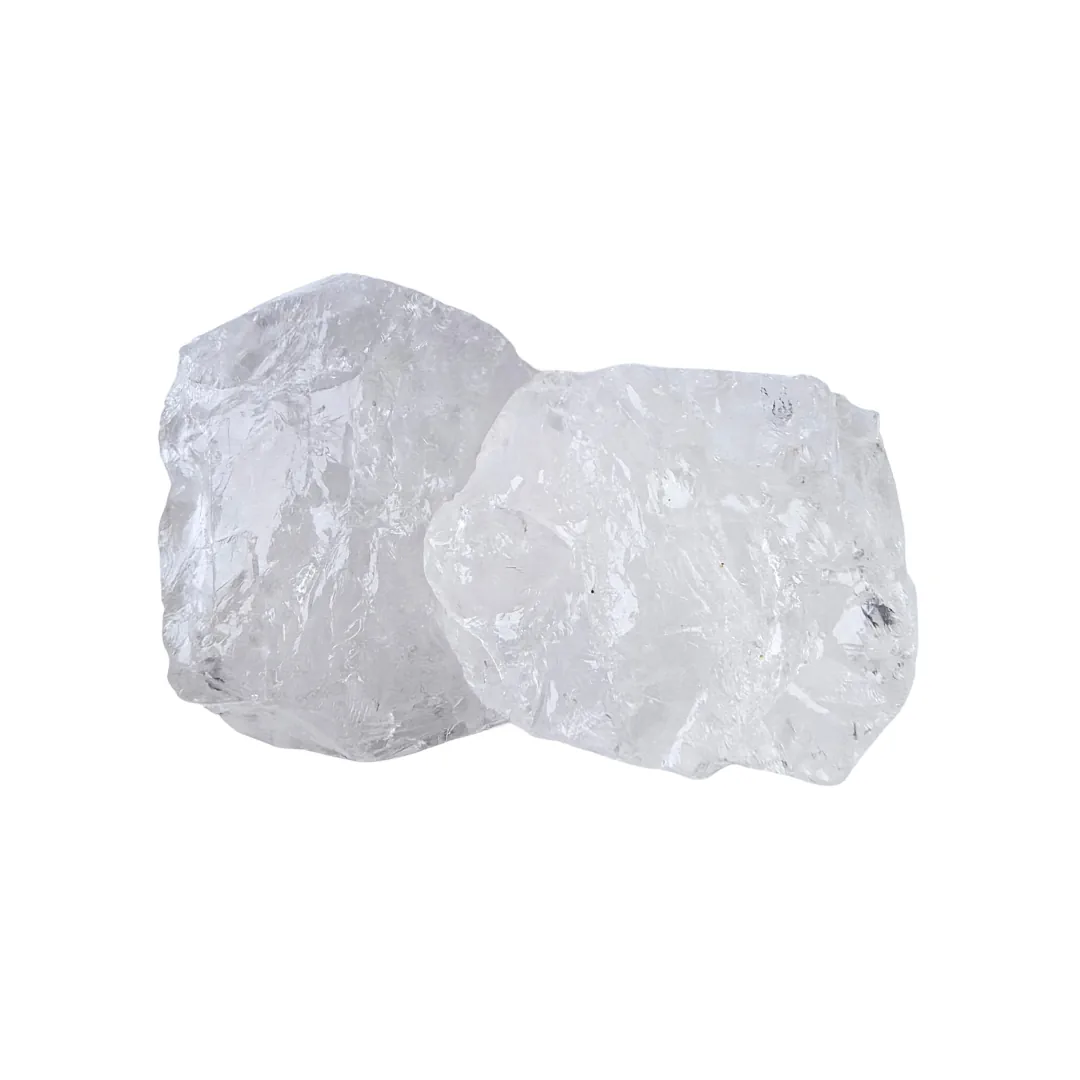
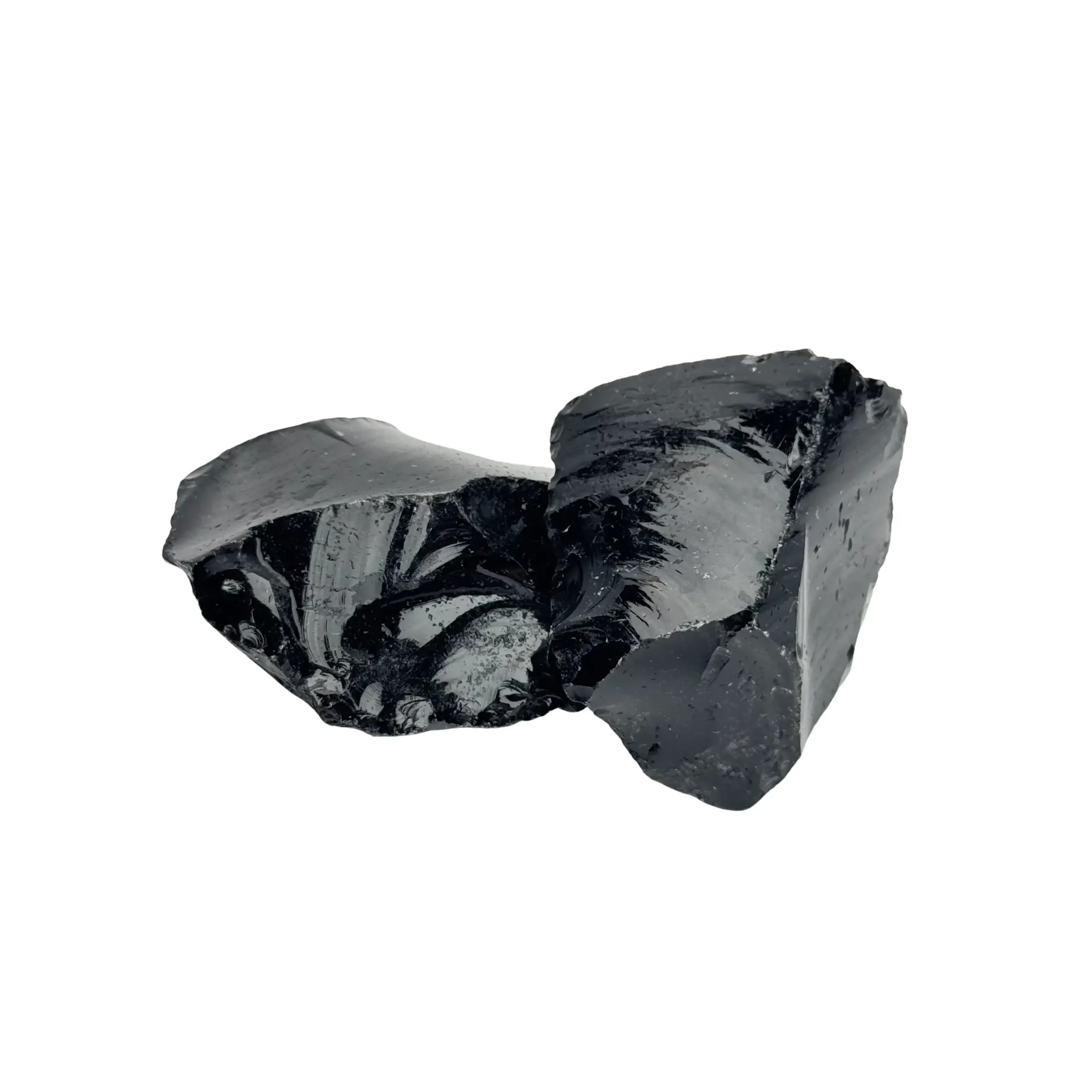
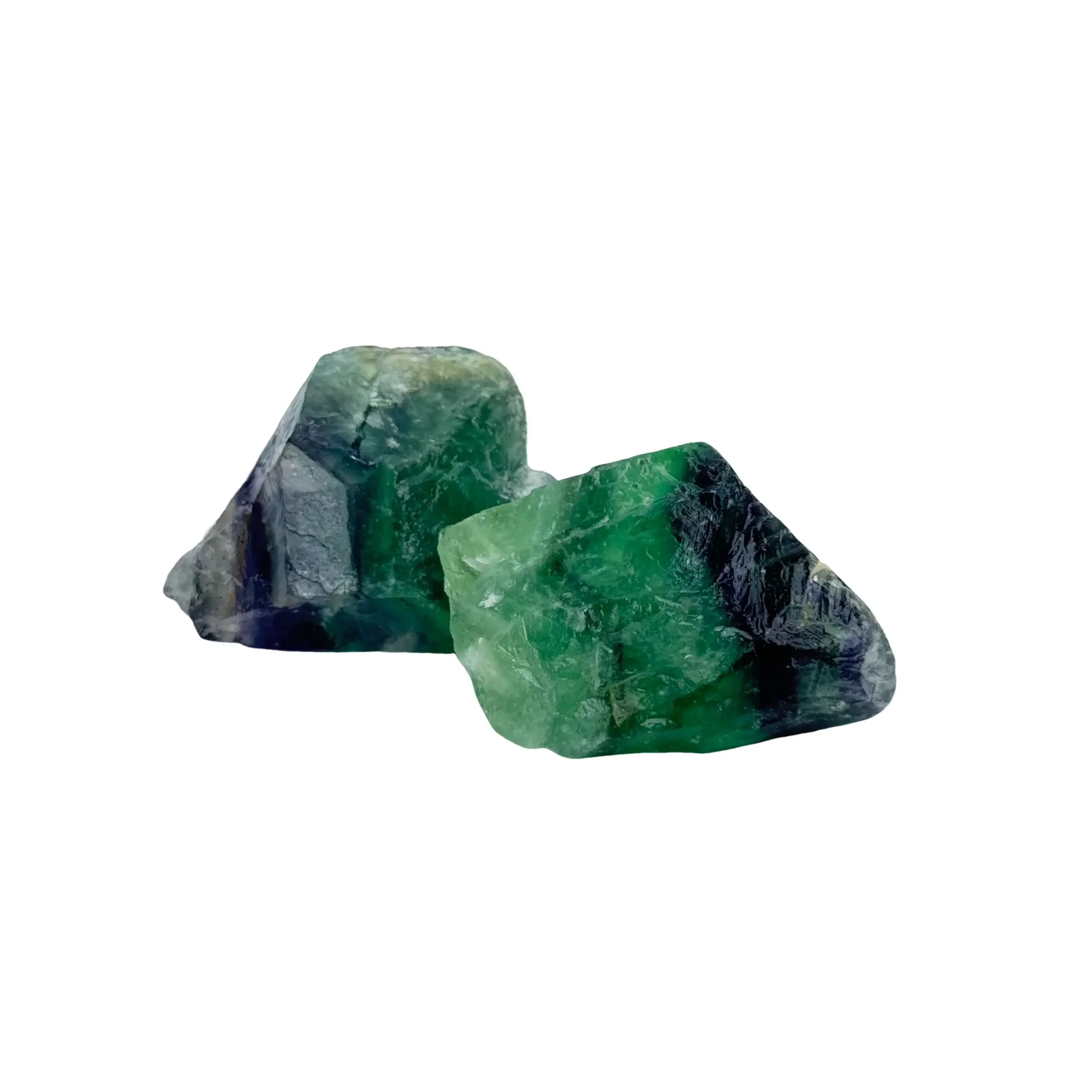
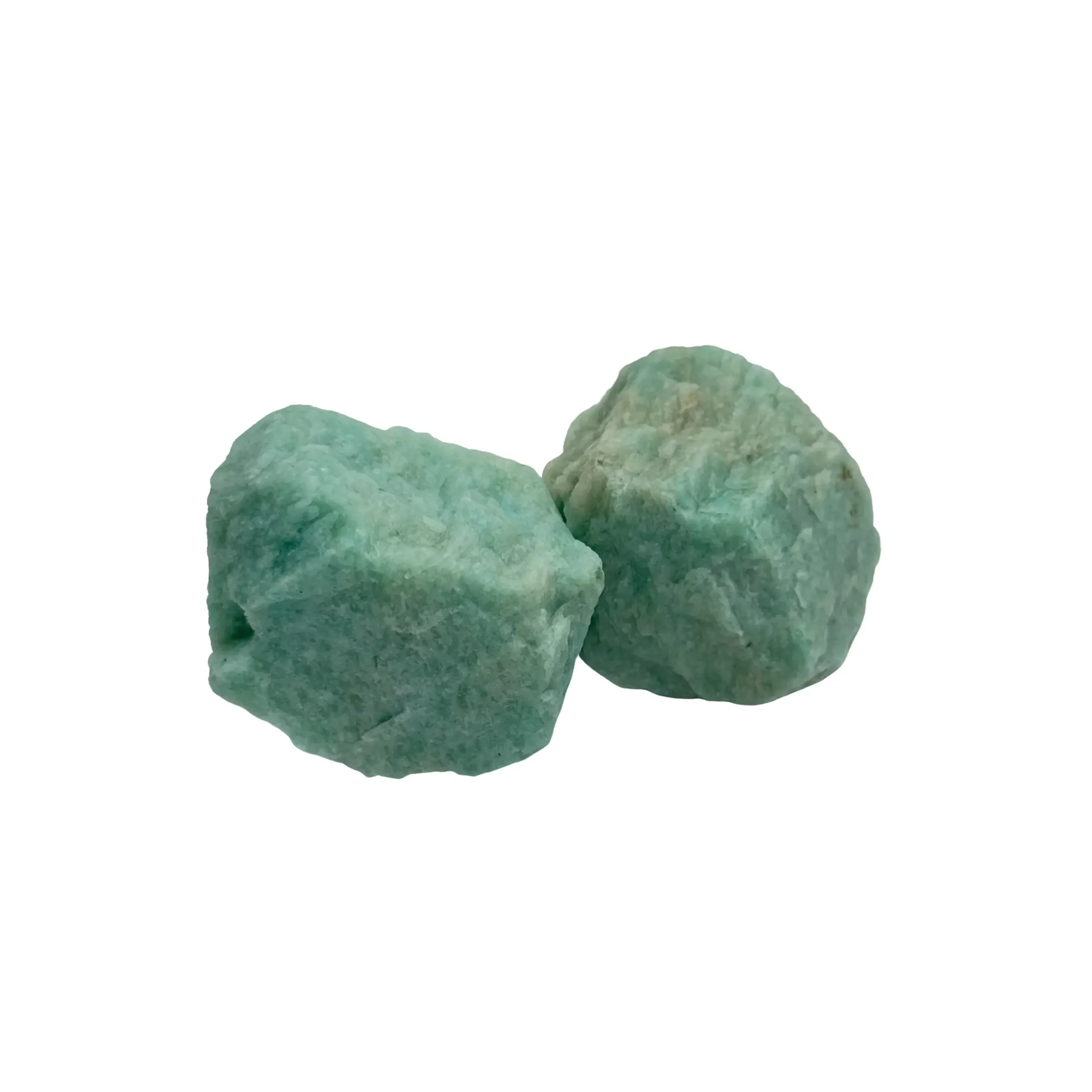
A more stable starter assortment usually combines high-recognition core materials with a smaller number of distinctive supporting materials. This helps cover mainstream demand while adding variety to the assortment without making the opening selection feel too scattered. Materials such as amethyst, rose quartz, clear quartz, and obsidian usually work well as core staples, while fluorite and amazonite are better for adding stronger color contrast and visual variety.
For resale buyers, supplier fit is not just about the products themselves. It also depends on how easy the first order is to place, how flexible the ordering structure is, how clearly products are described, and whether good sellers can be reordered with less friction later.
More practical for new stores, smaller test orders, and lower-risk first purchases.

Different materials, shapes, and price levels can be combined more flexibly, helping buyers build a more complete assortment.

Labels, cards, packaging, and some presentation support can be discussed depending on the product type and retail use.

Natural, treated, synthetic, or composite product information should be stated more clearly, helping buyers purchase and describe products more accurately.
Use this form to tell us what you want to source, which materials or product types you are interested in, and what kind of order you plan to place.