
Moonstone Sphere 1.57 in
$1.76 ~ $2.20


Meaning, Healing Properties, Mineralogy & History




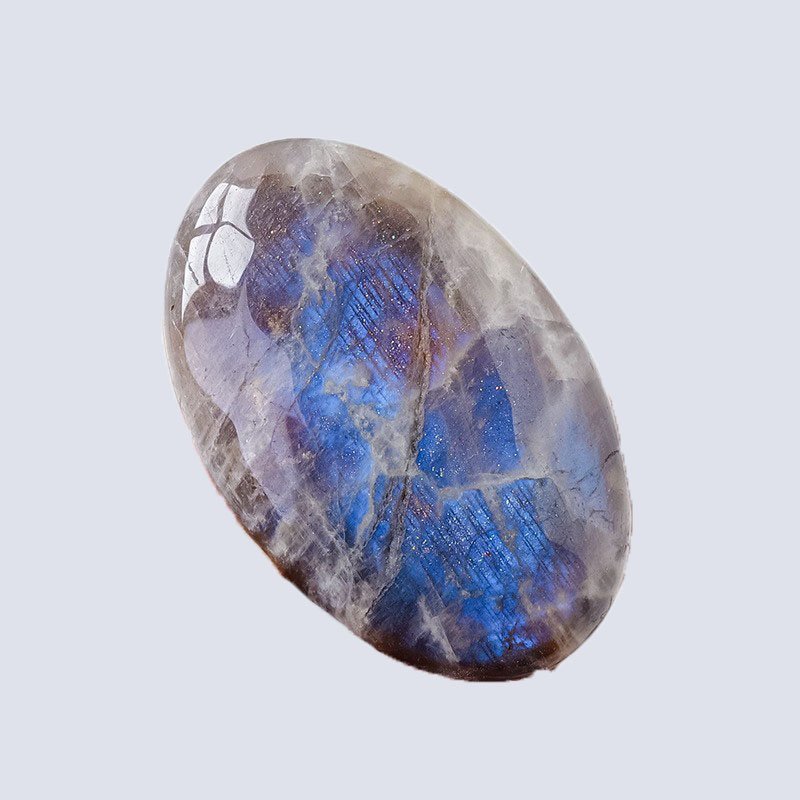
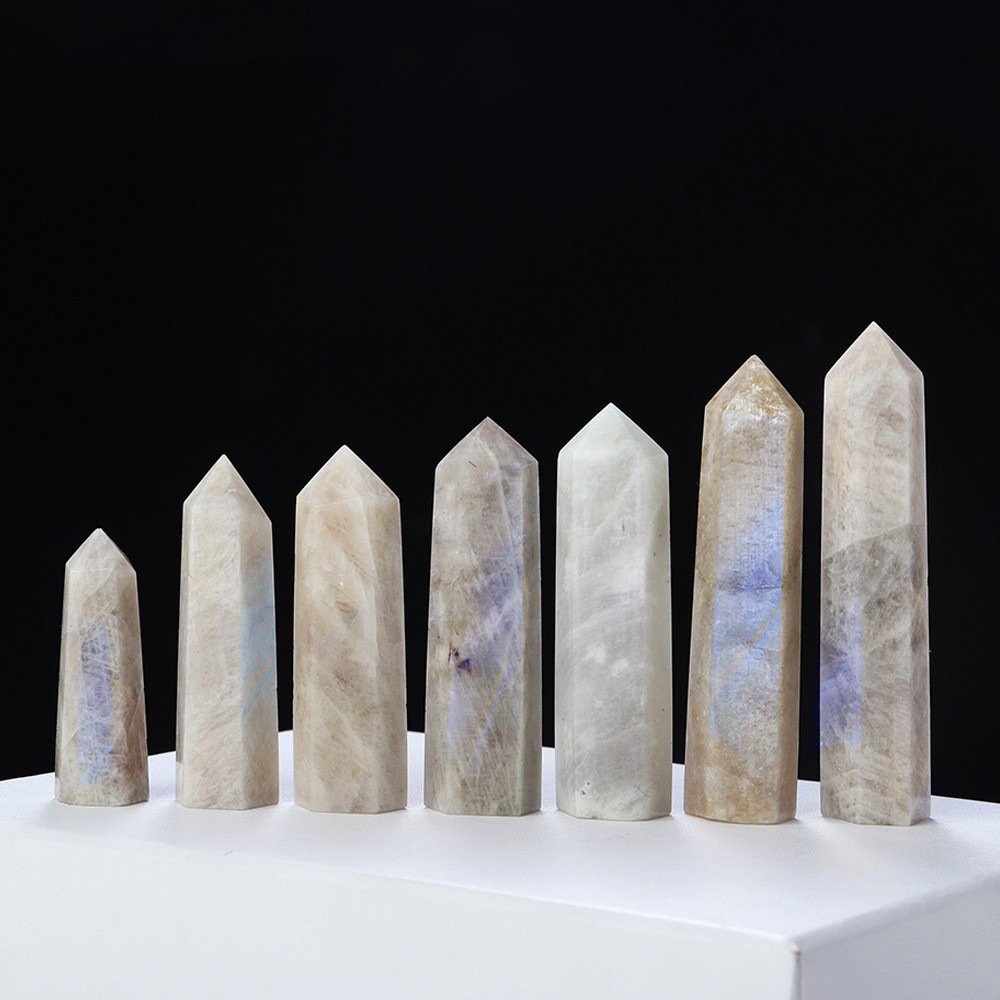
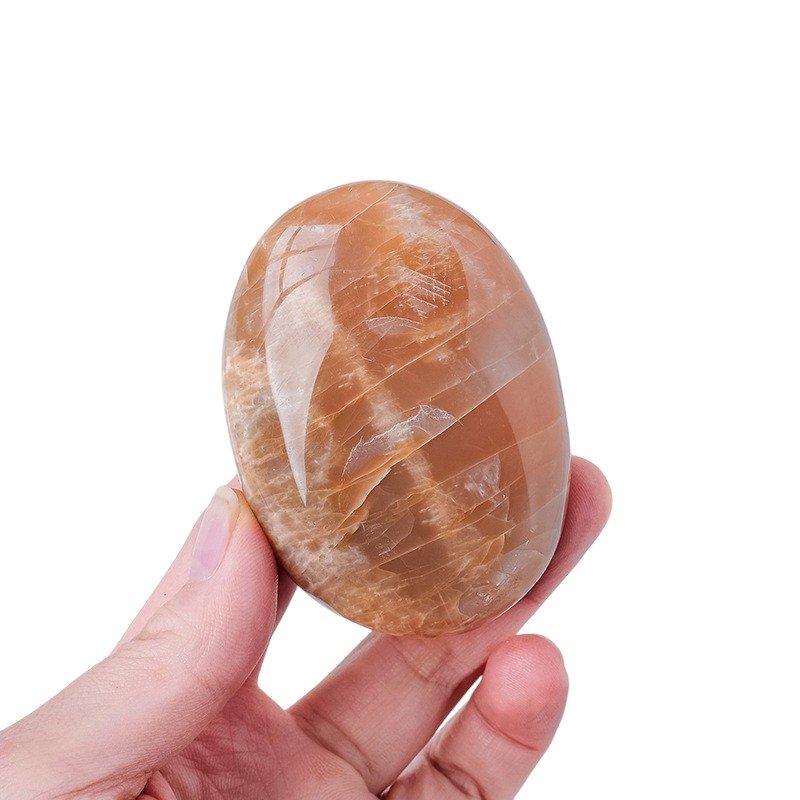
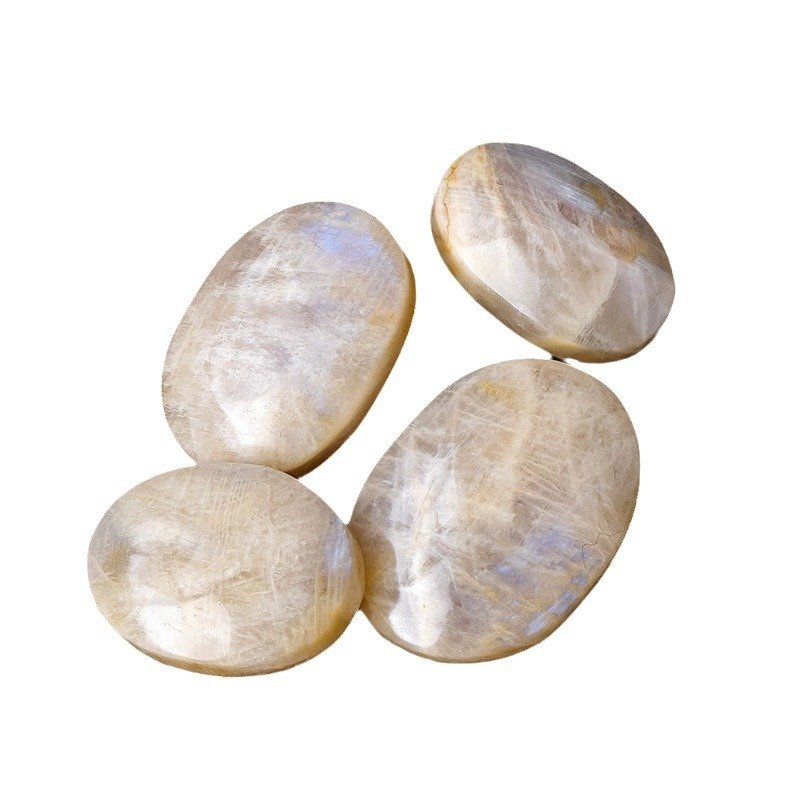
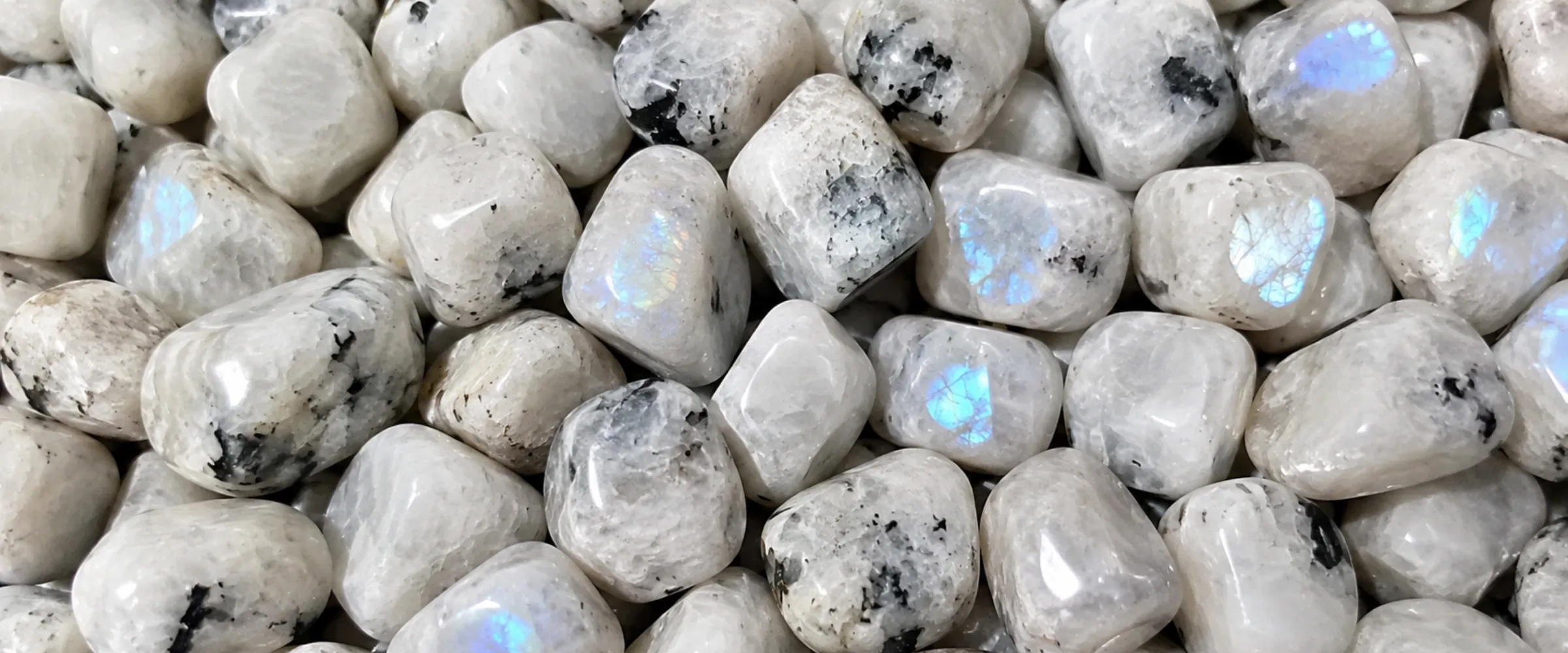
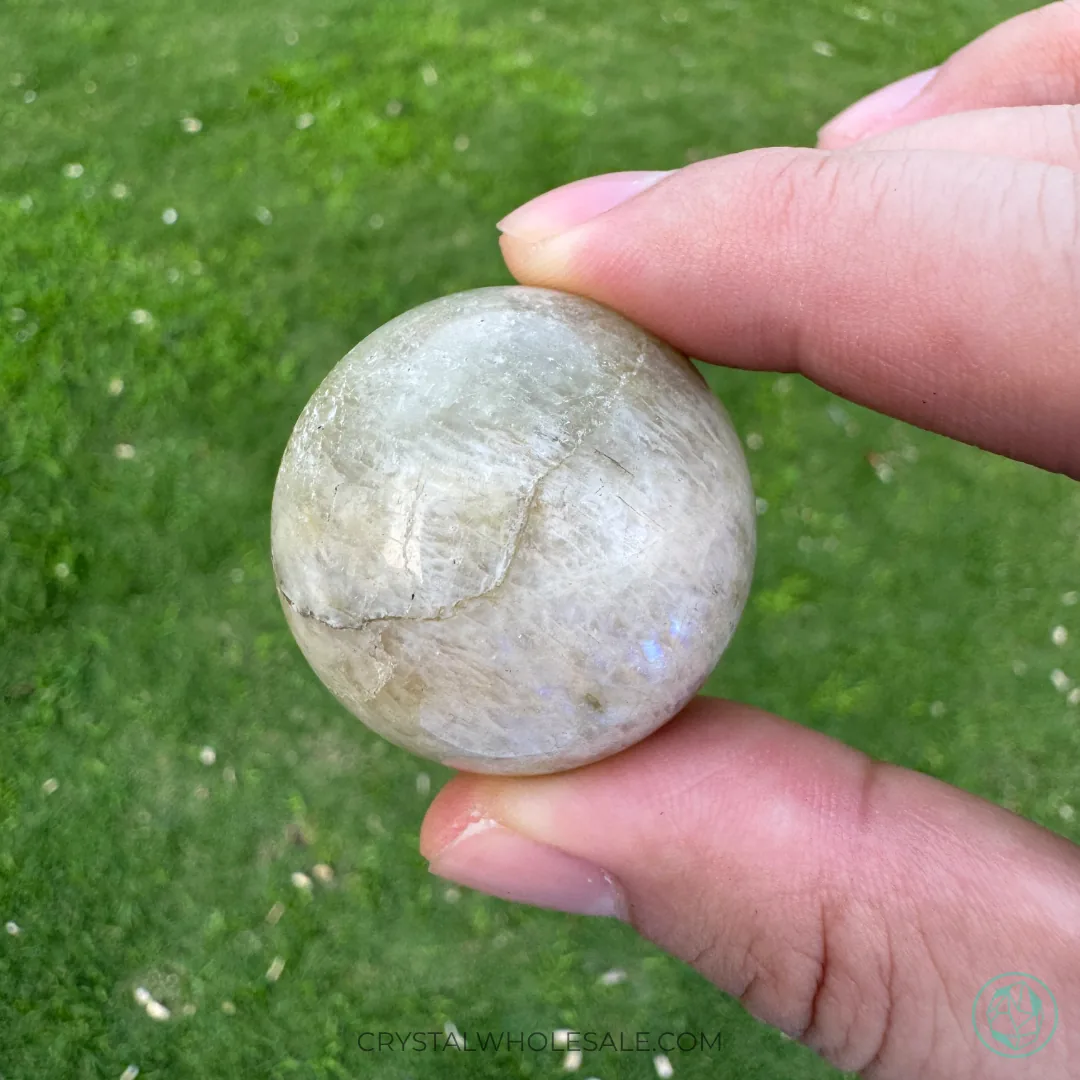
Moonstone (/ˈmuːn.stoʊn/) gets its name from its soft, moonlike glow. Under light, the stone can show a misty, floating white, silver, or blue sheen that looks as if moonlight is shining from within.
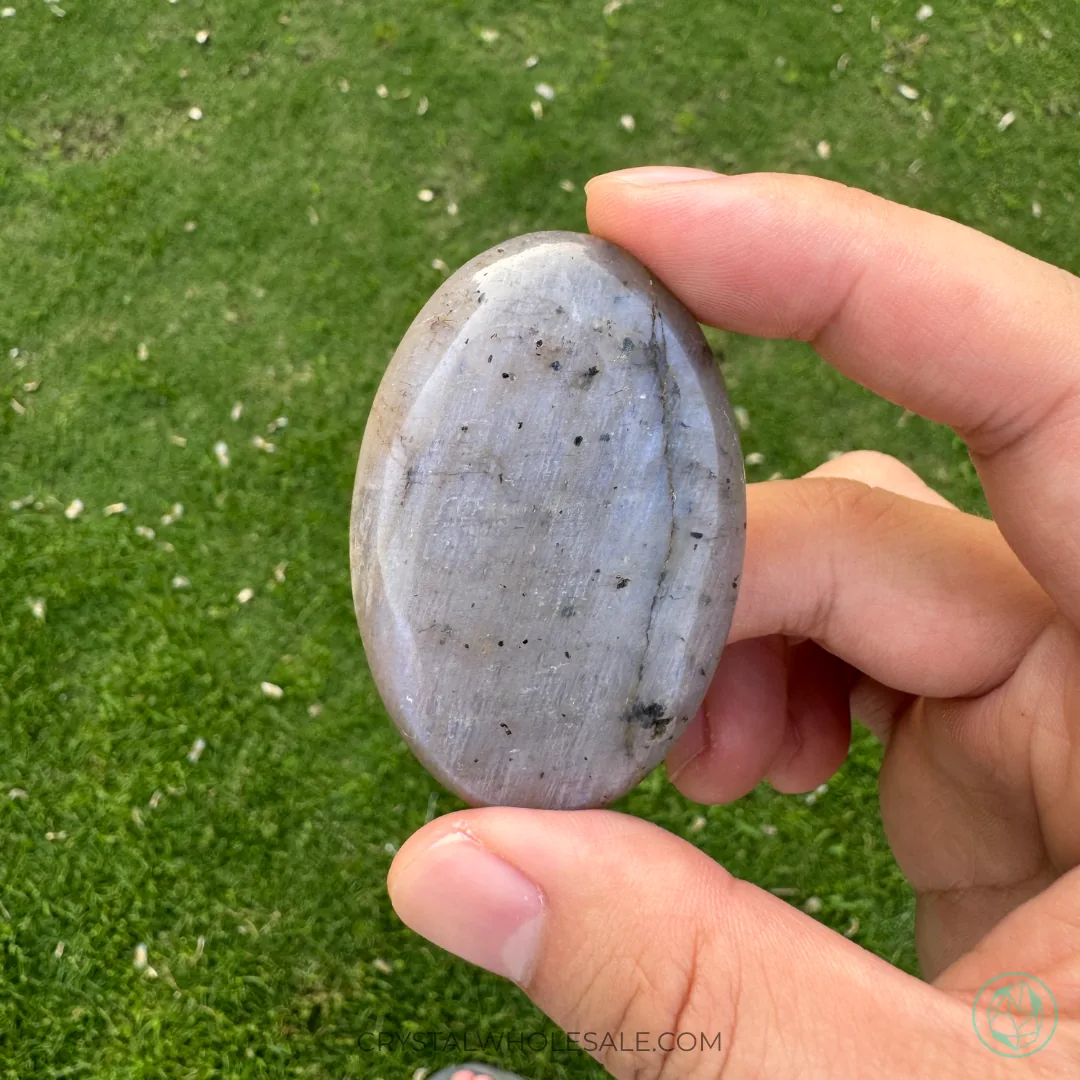
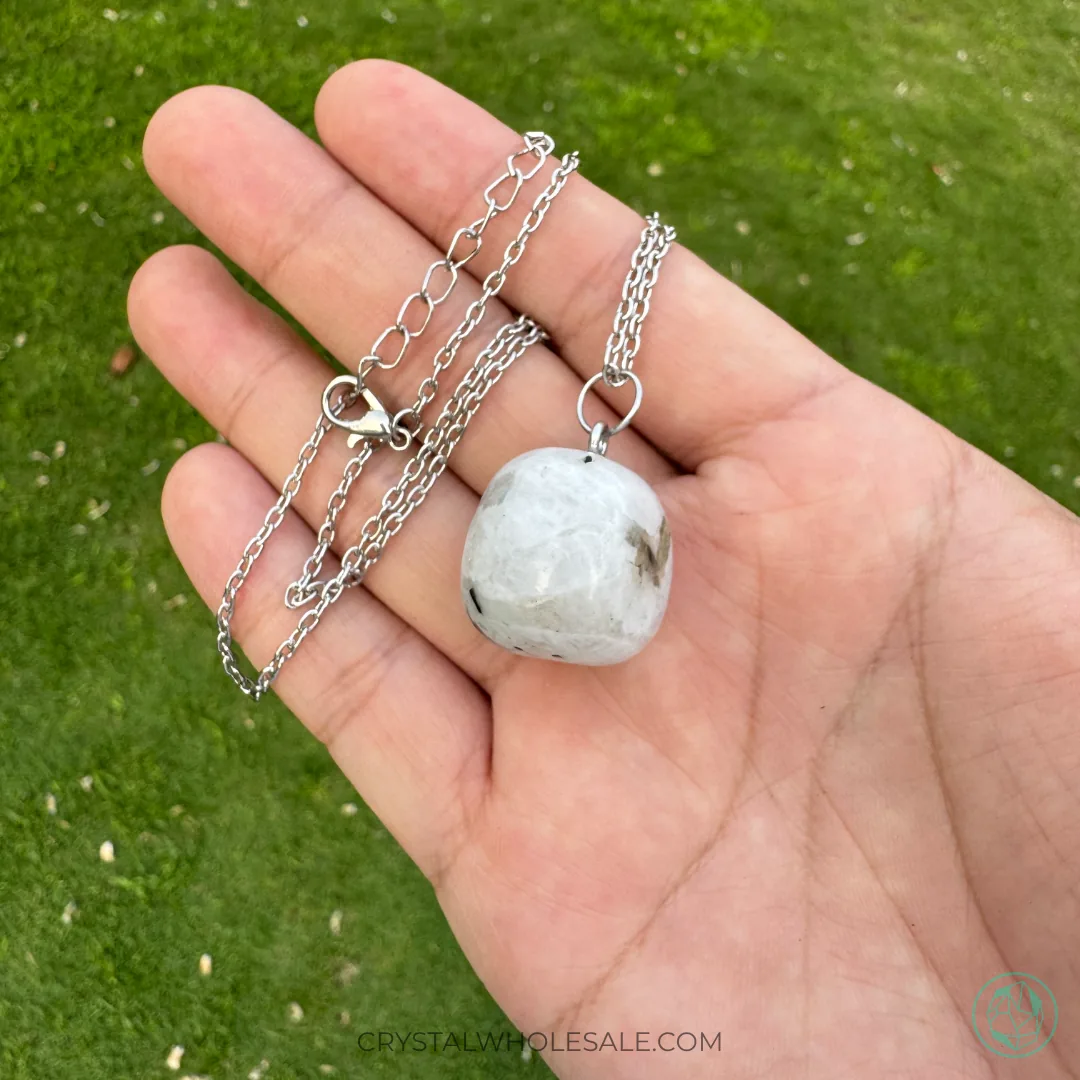
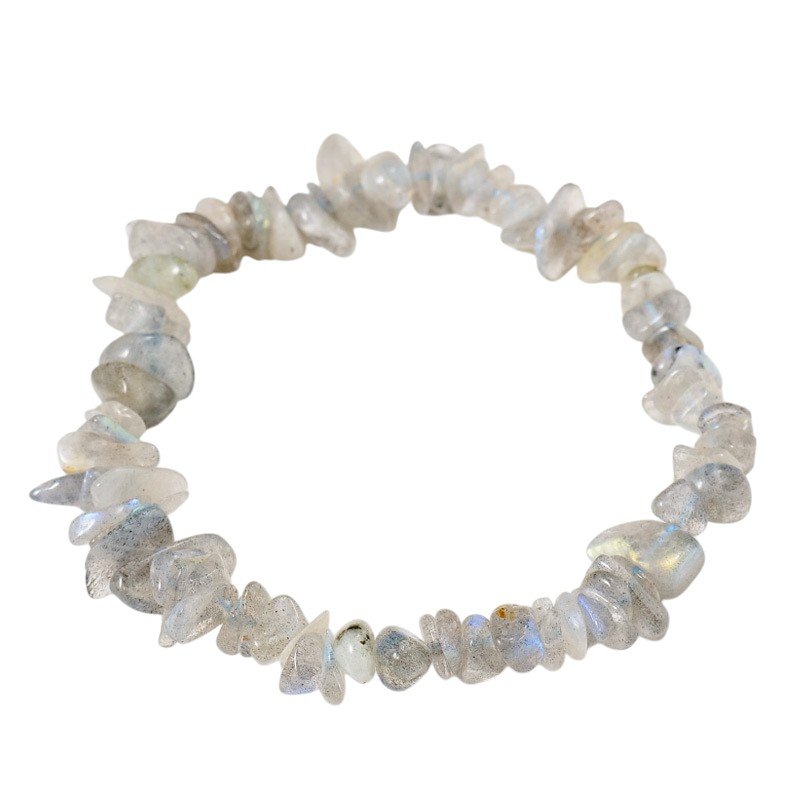
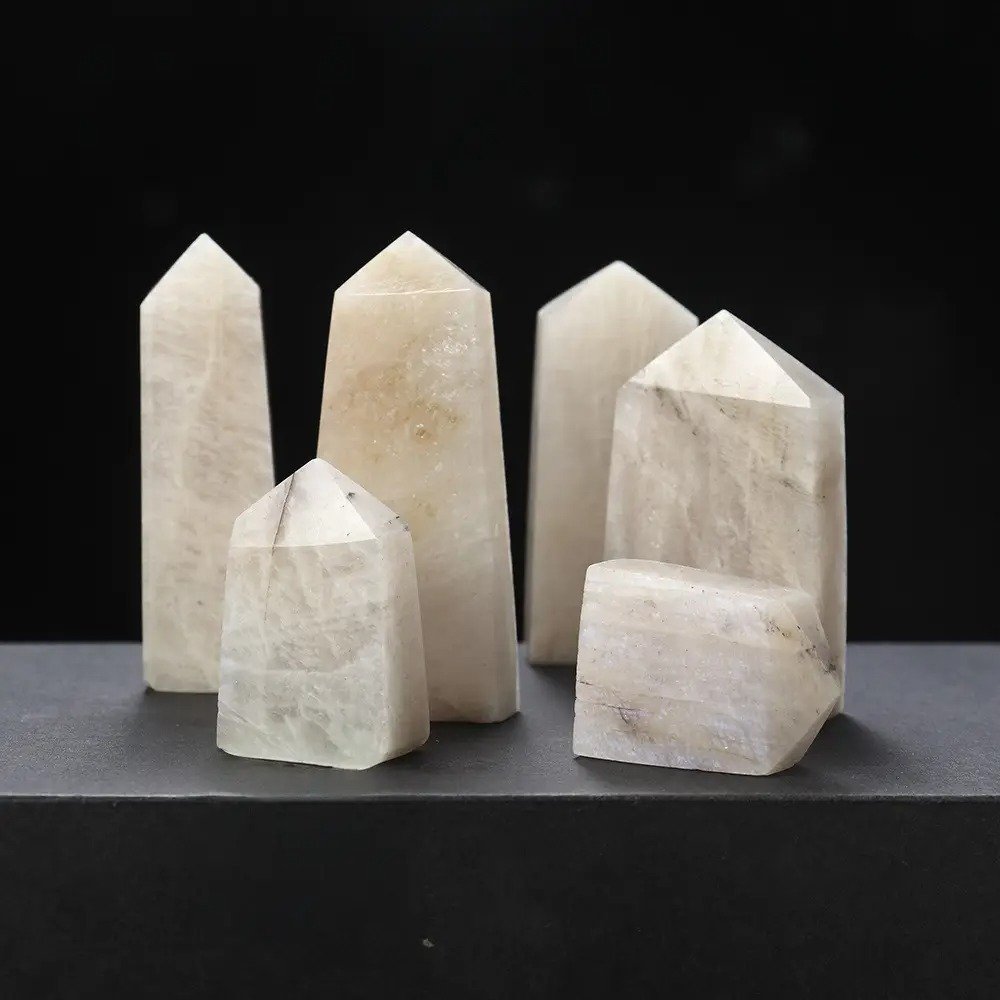
Moonstone may have a white, colorless, gray, peach, pink, brown, green, or yellow body color. What makes it recognizable, however, is not the color itself, but the soft, flowing inner glow that shifts as the stone moves under light.
The symbolic energy of moonstone is quiet, subtle, flowing, receptive, and continuously renewing. It represents gentle change, inner awareness, and balance through life’s natural cycles.
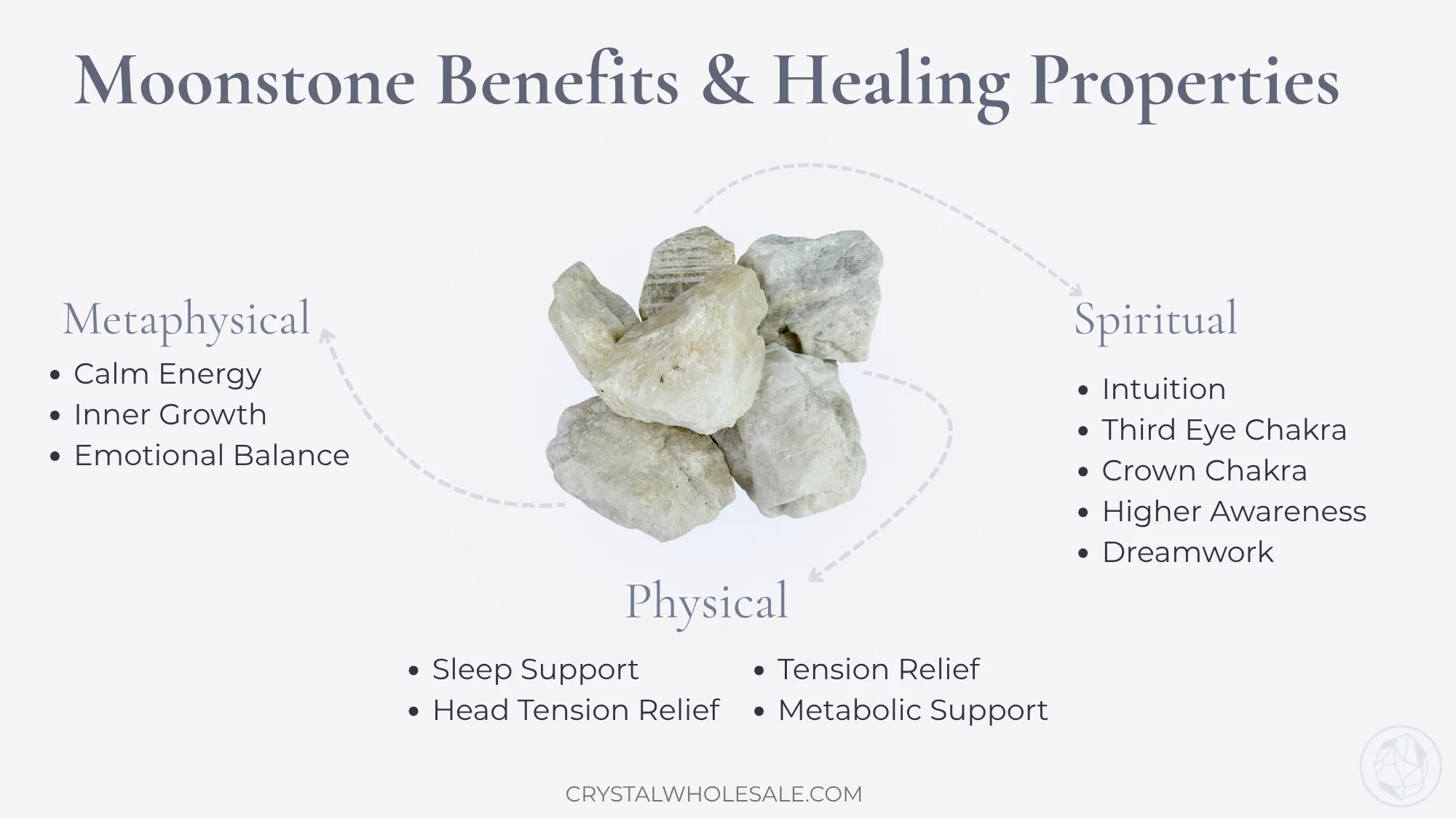
Moonstone is used for emotional balance, especially for people who are sensitive, emotionally reactive, or easily affected by relationships and their surroundings. Its energy is soft and steady, helping scattered emotions settle back into a calmer inner state. During relationship changes, life transitions, built-up stress, or emotional confusion, moonstone offers gentle emotional support and helps bring the inner world back to a clearer, more stable rhythm.
Moonstone also brings a sense of calm. It is well suited for bedtime, quiet time, journaling, meditation, decision-making, and emotional reset after a draining period. Its energy feels like moonlight at night, softly illuminating the inner world rather than pushing attention outward. For people who feel restless, overthink often, or carry a lot of inner tension, moonstone helps bring focus back to the body, the emotions, and the quiet truth of what they are feeling.
For inner growth, moonstone is especially useful during new life chapters, the end of old relationships, the beginning of new ones, career shifts, or periods of personal change. It helps reveal old emotional patterns, clarify what the heart truly needs, and support a softer kind of transformation. Moonstone’s growth energy is not about rushing forward; it is about becoming clearer, more emotionally mature, and more aligned with one’s natural rhythm.
Moonstone is used to strengthen intuition. It connects with the moon, the night, the subconscious, and inner awareness, making it easier to notice subtle emotional shifts, dream messages, and quiet inner guidance. When making decisions, reading a relationship, searching for direction, or facing the unknown, moonstone helps bring attention back to the inner voice so the answer can be felt more clearly.
Moonstone is also well suited for third eye chakra work. The third eye is connected with insight, perception, and inner vision. Moonstone’s soft glow helps create a quieter state of observation, making it useful for intuition practice, emotional awareness, dream reflection, and inner image work. During meditation, it can be placed near the brow area to support a more subtle and inward form of spiritual perception.
Moonstone also supports crown chakra connection. The crown chakra is linked with trust, openness, spiritual understanding, and higher awareness. Moonstone’s lunar energy helps soften the need for control and encourages a more natural sense of flow. It works well in new moon intention setting, full moon release rituals, quiet prayer, meditation, and personal energy practices.
Moonstone is also used for dreamwork and lunar energy practices. It can be placed on a bedside table, near a pillow, or beside a dream journal, especially when paired with bedtime meditation, dream recording, or subconscious reflection. It helps bring attention to the emotions, images, and repeating themes that appear in dreams. During the new moon, it supports fresh intentions; during the full moon, it supports emotional release, energetic clearing, and reconnection with one’s natural rhythm.
Moonstone is used for energetic support around feminine cycles and body rhythm. Connected with the lunar cycle, it is especially suited for the days around menstruation, emotionally sensitive periods, times when the body needs rest, and feminine energy recovery. Placing moonstone near the lower abdomen, on a bedside table, in a meditation space, or wearing it as jewelry can help bring more awareness to the body’s rhythm and support a softer state of self-care.
Moonstone is also used for body rhythm balance. It suits people under long-term stress, with irregular routines, or when emotions and the body feel out of sync. Its energy helps bring attention back to body signals and supports a steadier rhythm of rest, relaxation, and recovery. Adding moonstone to a bath, bedtime breathing, lower-abdomen meditation, moon rituals, or body-awareness practice can make the process feel calmer and more rhythmic.
Moonstone carries the symbolism of fertility and nurturing. It represents life cycles, creativity, family blessings, new life stages, and gentle nourishing energy. Fertility here is not only physical fertility, but also the process of nurturing a new plan, a new relationship, a new lifestyle, or an inner wish that is slowly taking shape. Moonstone suits wedding blessings, fertility intentions, motherhood-themed gifts, feminine energy jewelry, and new chapter rituals.
Moonstone is also suited for bedtime rituals. Its energy connects with night, quietness, relaxation, and dream connection. Holding moonstone while breathing before bed, placing it near the pillow or bedside table, or writing down the day’s emotions and a nighttime intention can help shift away from the tension of the day and into a softer night state. It suits people who need calm energy, dream connection, and gentle energetic release before sleep.
| Property | Detail |
|---|---|
| Mineral Group | Feldspar |
| Gem Type | Adularescent feldspar gemstone |
| Main Mineral Base | Orthoclase and albite intergrowth |
| Broader Trade Use | May include other feldspar materials |
| Silicate Type | Tectosilicate |
| Crystal System | Monoclinic or triclinic, depending on feldspar type |
| Optical Effect | Adularescence |
| Sheen | Floating white, silver, or blue glow |
| Refractive Index | About 1.518–1.526 |
| Birefringence | About 0.005–0.008 |
| Specific Gravity | About 2.56–2.59 |
| Cleavage | Perfect in two directions |
| Fracture | Uneven to conchoidal |
| Luster | Vitreous to pearly |
| Transparency | Transparent to opaque |
| Common Cut | Cabochon |
| Cut Purpose | To show the floating sheen |
| Durability | Moderate, with cleavage risk |
| Best Use | Pendants, earrings, beads, carvings, palm stones |
| Cleaning | Warm soapy water and soft cloth |
| Avoid | Steam, ultrasonic cleaning, heat, harsh chemicals |
| Rainbow Moonstone Note | Usually labradorite in the trade |
Moonstone belongs to the feldspar mineral group. Classic moonstone is usually associated with orthoclase feldspar and layered intergrowths of albite. As feldspar cools, potassium-rich and sodium-rich layers separate into thin internal bands. These layers scatter light and create moonstone’s signature adularescence.
Strictly speaking, moonstone is a gemstone name rather than one single mineral species. Classic moonstone is often orthoclase moonstone, while some market materials may include other feldspars such as microcline, plagioclase, albite/peristerite, sanidine, or anorthoclase. Many stones sold as rainbow moonstone are actually labradorite, valued for their transparent body and multicolored flashes.
Moonstone can be white, colorless, gray, brown, pink, orange, green, or yellow. Its key feature is not body color, but the floating glow beneath the surface. This glow is usually white or silvery, while finer material may show a strong blue sheen or blue flash.
High-quality moonstone often has a cleaner body, better transparency, stronger sheen, and a well-oriented cabochon cut. Cabochons show adularescence best because they allow the glow to float under the surface. Some moonstone may also show cat’s eye or star effects, but these are less common.
Rainbow moonstone looks different from classic moonstone. Classic moonstone usually shows a soft white, silver, or blue glow, while rainbow moonstone often shows stronger blue, green, yellow, orange, or red flashes. Mineralogically, rainbow moonstone is usually labradorite.
Moonstone forms through exsolution inside feldspar. As feldspar-rich material cools, different components separate into thin internal layers. Light scatters through these layers, creating the soft moonlike glow.
Geologically, moonstone is associated with feldspar-rich rocks and can occur in pegmatites, acidic granulites, weathered zones, stream sediments, and gem gravels. Its glow depends on layer thickness, orientation, transparency, and cutting direction. Finer, more even layers usually produce the desirable blue sheen.
Sri Lanka is one of the best-known sources of fine blue-sheen moonstone. India is a major commercial source, often producing white, gray, peach, and green material. Myanmar and Tanzania are also important sources, with additional occurrences in Madagascar, Australia, Mexico, Norway, the United States, and other regions.
Moonstone is commonly associated with feldspar-rich and silicate-rich environments. It may occur with minerals such as quartz, orthoclase, sanidine, anorthoclase, muscovite, calcite, hematite, and other feldspar-group minerals.
The history of moonstone has always centered on lunar imagery. Its soft, floating, moonlike glow led early cultures to connect it with the moon, night, intuition, and life cycles. In Indian mythology, moonstone was seen as “solidified moonlight.” In ancient Greek and Roman culture, it was also linked with moon deities and the changing phases of the moon.
Moonstone also has an important historical name in Europe: adularia. The name comes from Mt. Adular in Switzerland, near today’s St. Gotthard region, where fine early moonstone material was once found. The optical effect unique to moonstone later became known as adularescence, or the moonstone effect.
By the late 19th and early 20th centuries, moonstone became popular again during the Art Nouveau movement. Its soft, misty, dreamlike glow matched the jewelry style of the period, which favored natural curves, feminine forms, and a sense of mystery. Later, moonstone saw renewed interest during the naturalistic culture of the 1960s and the New Age movement of the 1990s, becoming an important stone associated with lunar energy, intuition, and inner renewal.
Moonstone is used for meditation, emotional reset, dreamwork, moon rituals, bedtime relaxation, feminine energy work, and intention setting. It is especially suited for people moving through change, starting a new chapter, or reconnecting with their inner rhythm.
Moonstone can be worn as jewelry, held during meditation, placed on a bedside table, kept near a dream journal, or used in a moon ritual space. For emotional work, pair it with breathing, journaling, or quiet reflection. For dreamwork, keep it near your bed or beside your dream journal.
Moonstone can touch clean water briefly, such as during gentle cleaning with warm water and a soft cloth. It should not be soaked for long periods, and salt water should be avoided. After cleaning, dry it right away to prevent moisture from entering natural fractures.
Moonstone can handle brief exposure to natural light, but it should not be left in direct sunlight or high heat for long periods. Strong light, heat, and temperature changes may affect the surface or internal fractures. Moonlight is a better and gentler way to charge moonstone.
Moonstone can be cleaned with mild soapy water, a soft cloth, or a soft brush. For energetic cleansing, use moonlight, smoke, sound, clear quartz, selenite, or simple resting. Avoid ultrasonic cleaners, steam cleaners, saltwater soaking, harsh chemicals, and high heat.
Moonstone is best charged under moonlight, especially during the new moon or full moon. The new moon is ideal for setting intentions, while the full moon is ideal for release and energetic renewal. Moonstone can also be charged near selenite, clear quartz, or through meditation and intention setting.
Moonstone works well on a bedside table, meditation altar, moon ritual space, desk, or near a dream journal. A bedside placement supports bedtime relaxation and dreamwork. A meditation area supports intuition and inner awareness. A desk placement can bring a calmer energy during stressful or mentally demanding moments.
Yes. Moonstone is well suited for nighttime relaxation, dreamwork, and bedtime rituals. You can keep it on your bedside table, near your pillow, or beside a dream journal. If your moonstone is set in a ring, bracelet, or delicate piece of jewelry, it is better to take it off before sleeping.