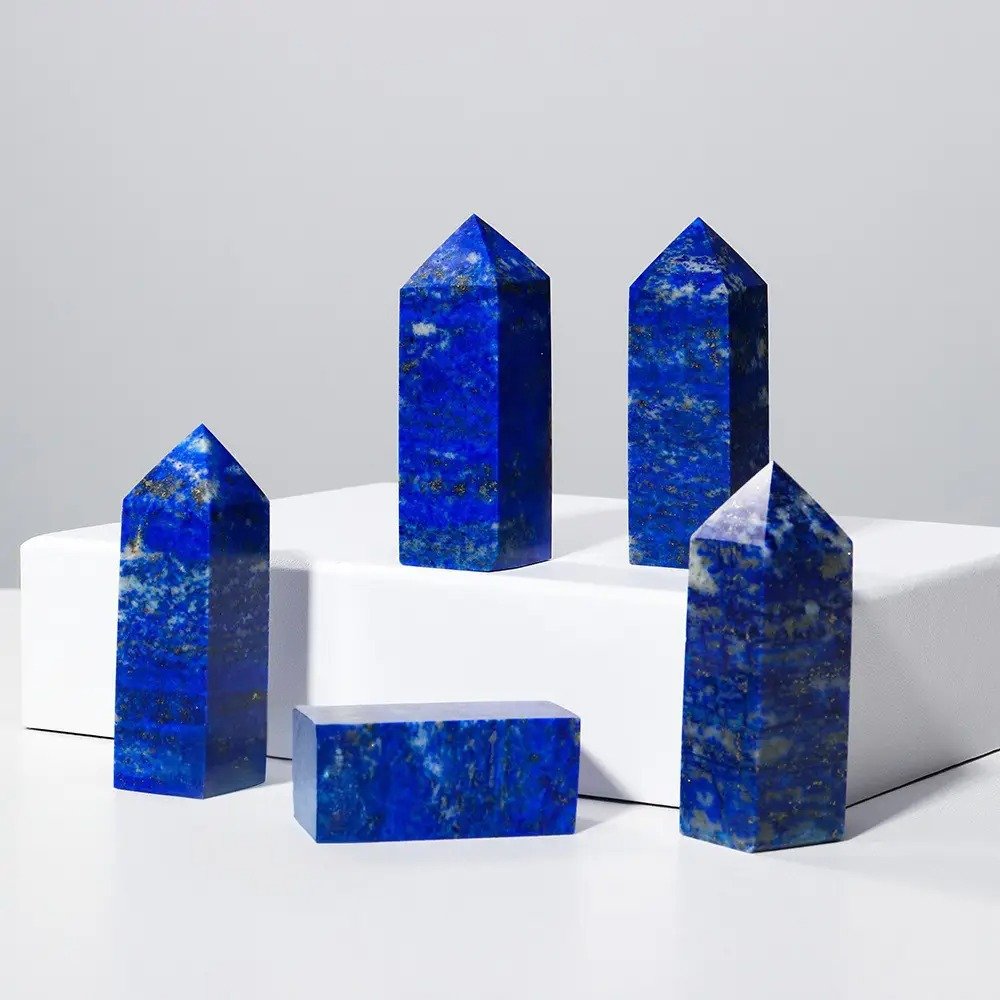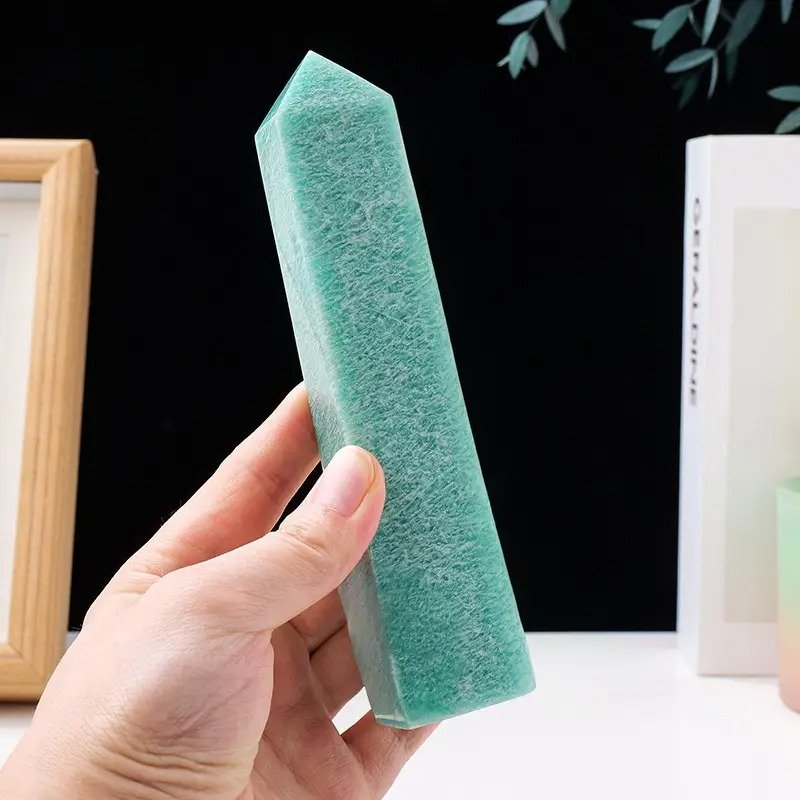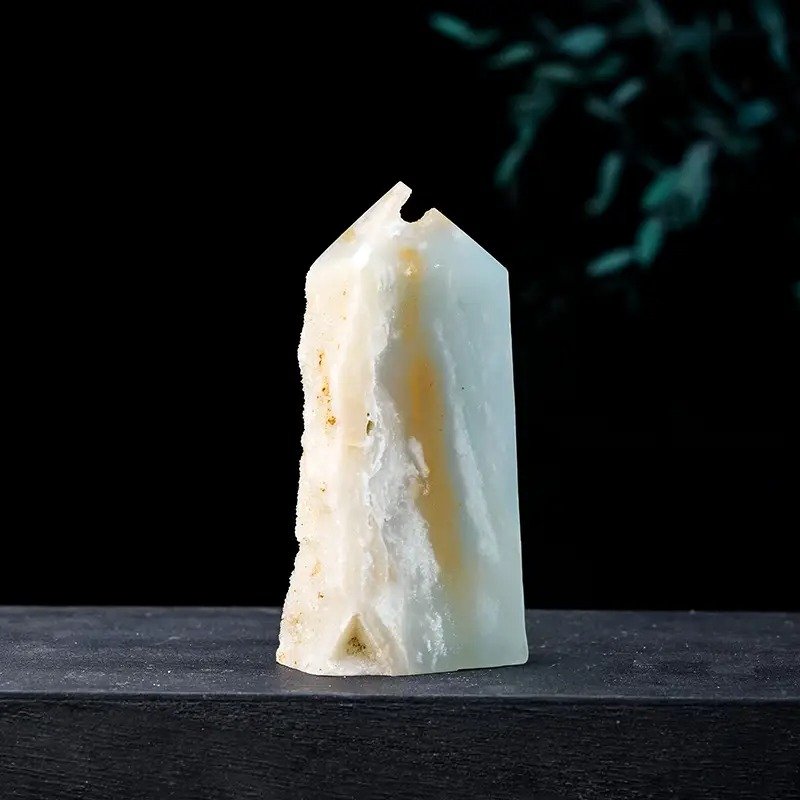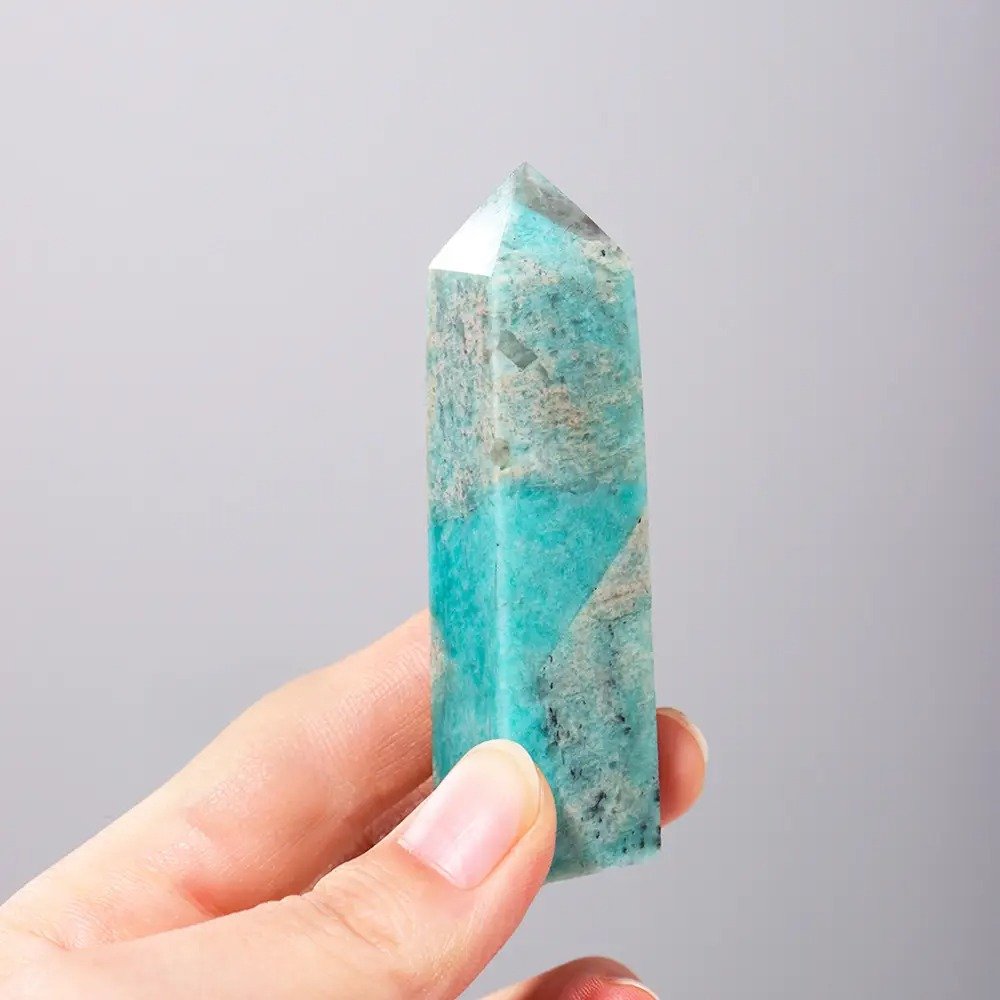
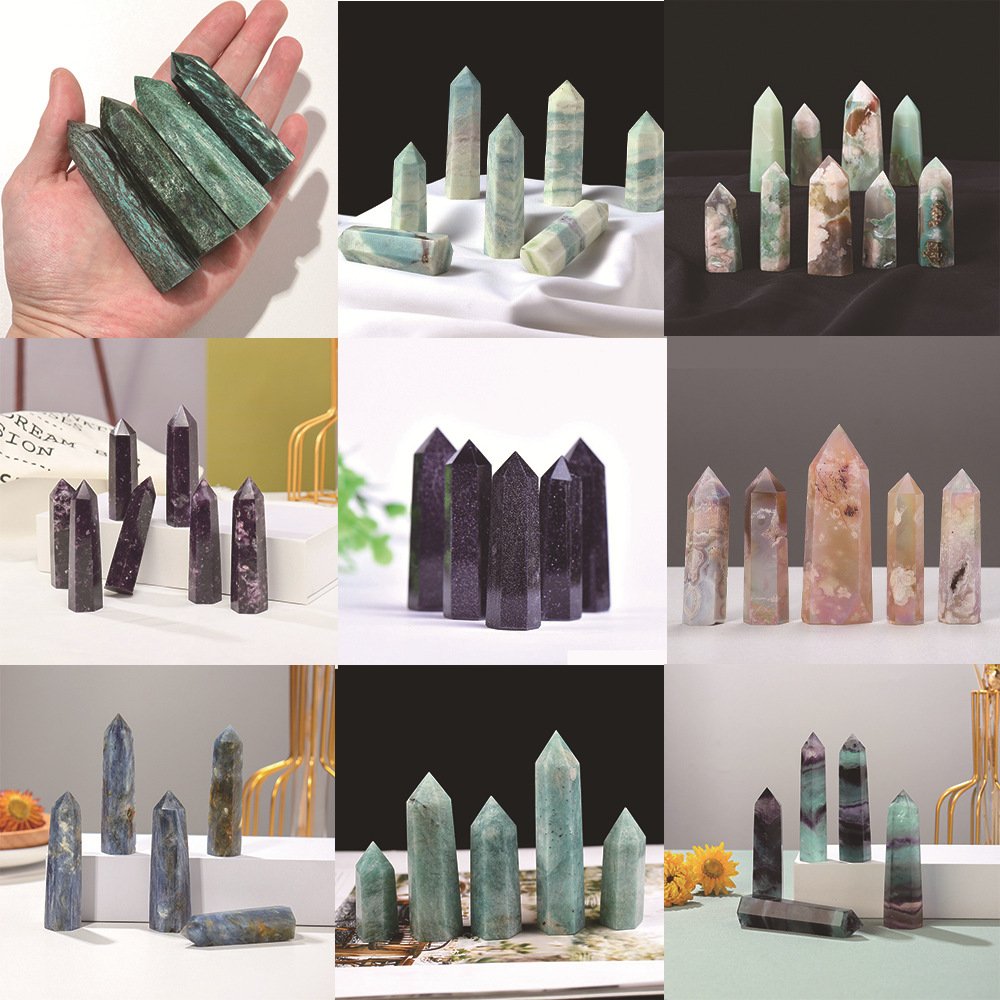
9 Types of 1kg Crystal Tower / Pillar Wholesale
$50.40 ~ $63.00


Meaning,Healing Properties, Mineralogy & History
Amazonite(/ˈa-mə-zə-ˌnīt/) is a feldspar crystal known for its blue-green to green color. It is the green to blue-green variety of microcline, and its color comes from small amounts of lead (Pb) and structural water within the feldspar. Although it is called amazonite, it is not actually connected to the Amazon River.
According to tradition, Amazon warriors were said to decorate their shields or ornaments with this stone. In honor of these legendary women warriors, the stone was given the name amazonite. Because it is associated with courage and truth, amazonite is also often called the Stone of Truth and the Stone of Courage.
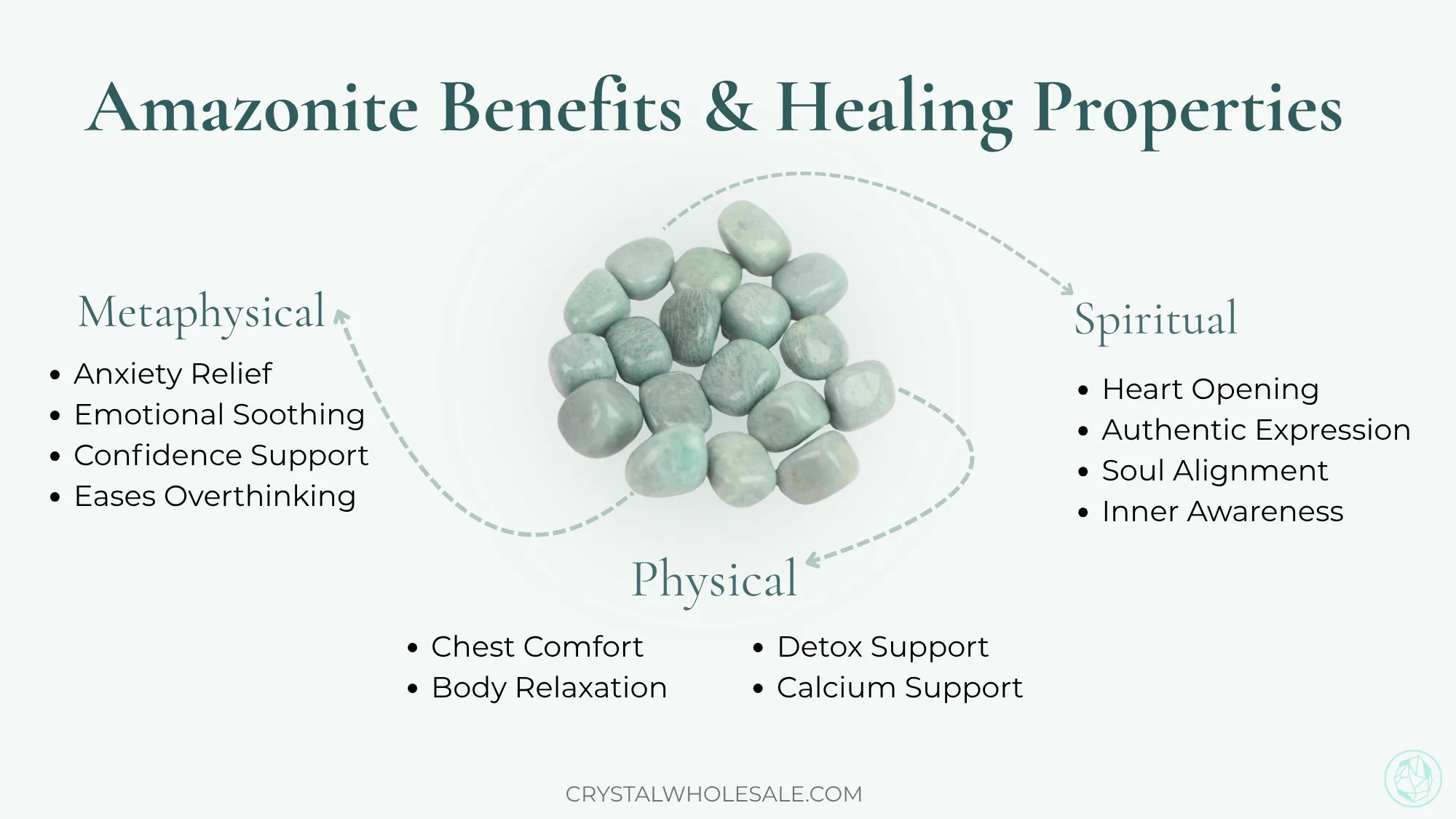
Amazonite is a gentle healing stone that supports calm, balance, and honest expression. In crystal healing, it is closely associated with soothing emotional tension, restoring inner harmony, and bringing a softer, more peaceful state to both the mind and body. Its energy feels steady, calming, and quietly supportive rather than intense or overwhelming. Amazonite works with softness, balance, and emotional ease.
Amazonite helps ease anxiety, calm emotional ups and downs, and reduce the pressure caused by overthinking. It creates more inner space around fear, irritability, self-doubt, and emotional overwhelm, making it easier to move through feelings without panic or inner resistance. This makes amazonite especially supportive for people who tend to bottle things up, replay conversations in their minds, or feel easily affected by the emotions of others.
It is also strongly connected with confidence and healthy boundaries. Amazonite helps people speak more honestly, trust their own feelings, and stop suppressing themselves just to keep the peace.
Amazonite supports heart opening, truthful expression, soul alignment, and deeper inner awareness. Its energy works like a bridge between the heart chakra and throat chakra, helping turn feelings into words and inner truth into clear expression. Its effect is gentle rather than dramatic. Instead of forcing breakthroughs, amazonite helps bring alignment between what a person feels, what they know within, and what they are ready to express or live out. It also helps release spiritual pressure and rebuild a more honest relationship with the self.
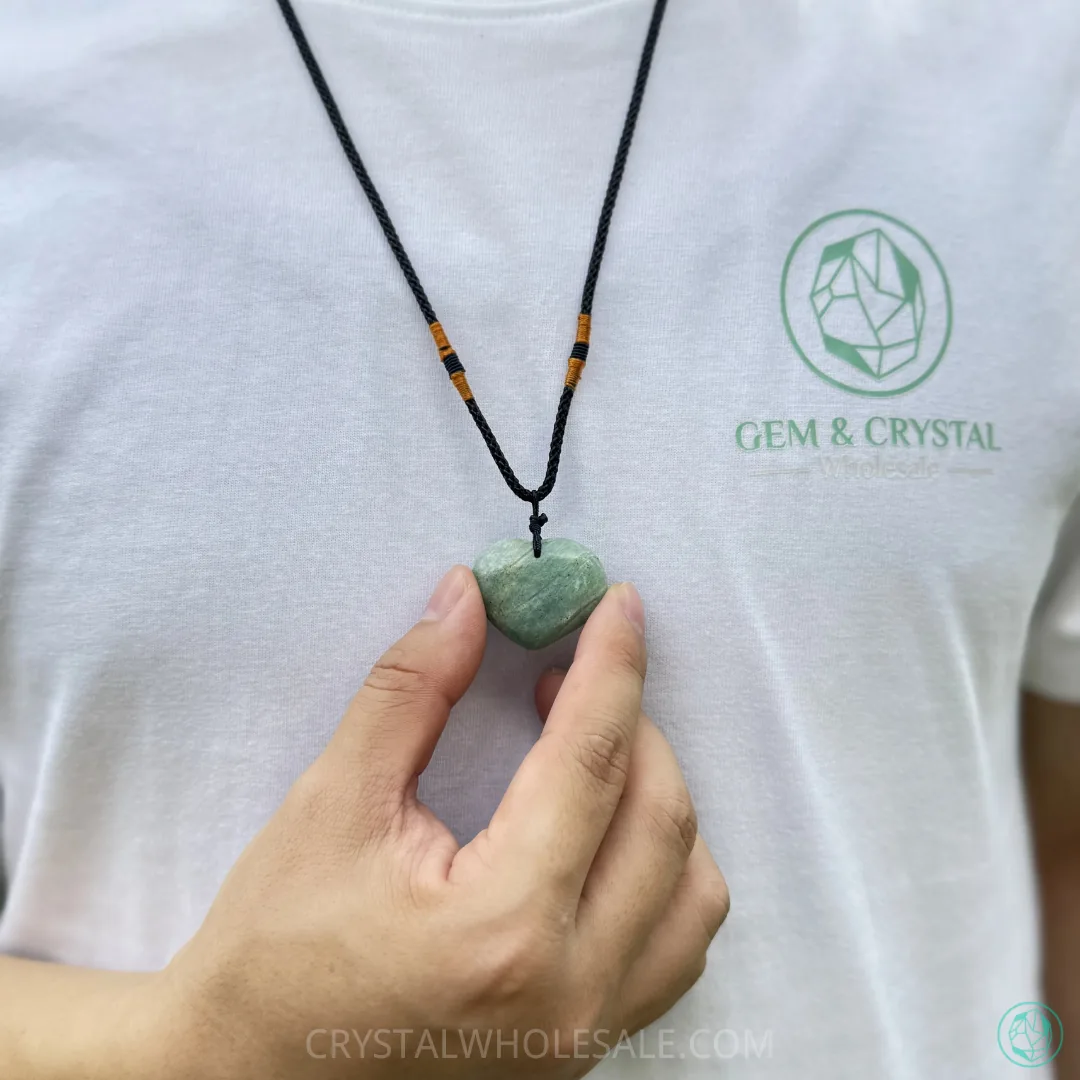
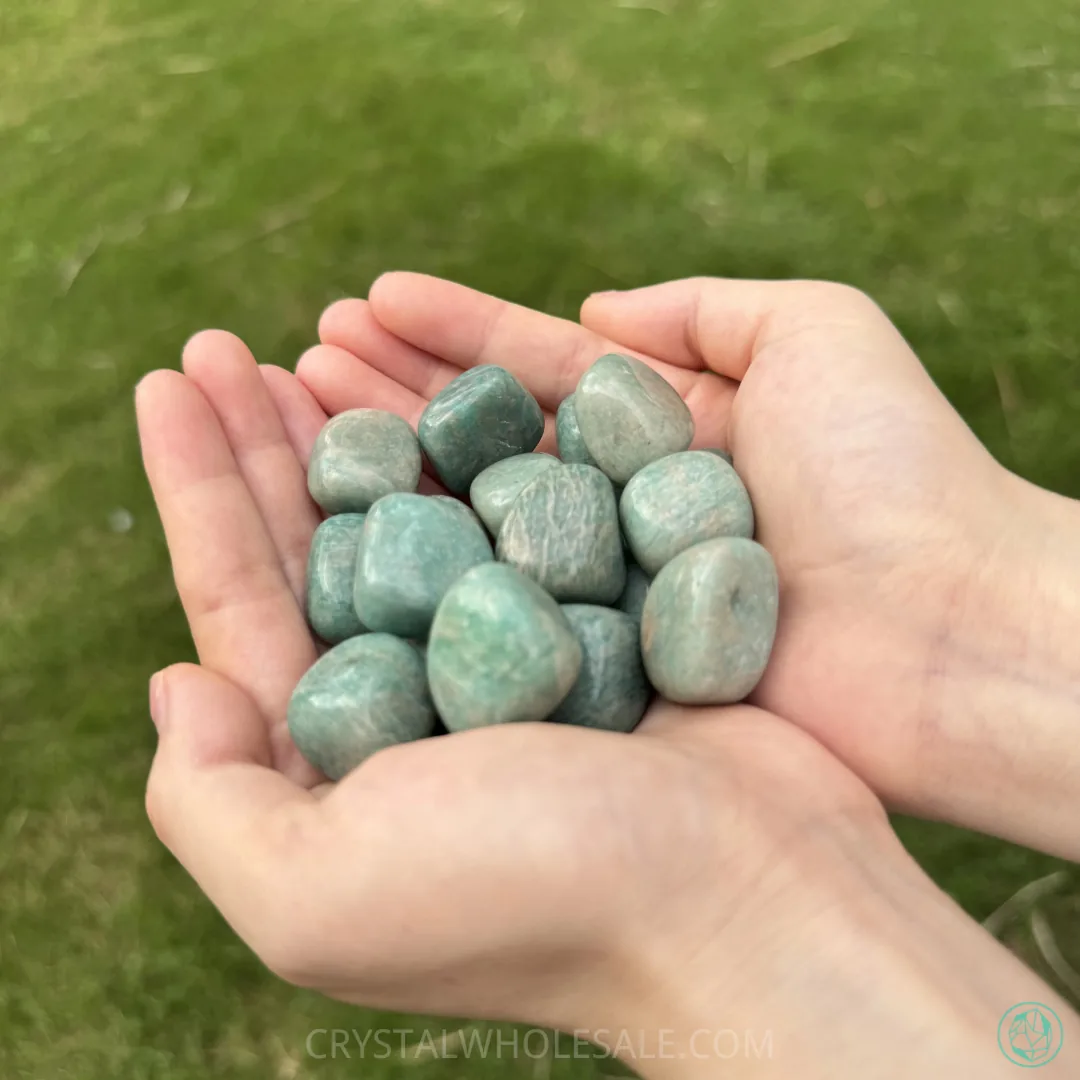
Amazonite is especially well suited for meditation, breathwork, intention setting, and chakra healing. Wearing an amazonite pendant or necklace keeps its energy close to the heart and throat chakras. Palm stones or polished amazonite are ideal for meditation and quiet inner work. Amazonite helps shift awareness away from surface distractions and outer noise, bringing a person back to inner sensing, self-awareness, and a deeper recognition of what the soul truly needs.
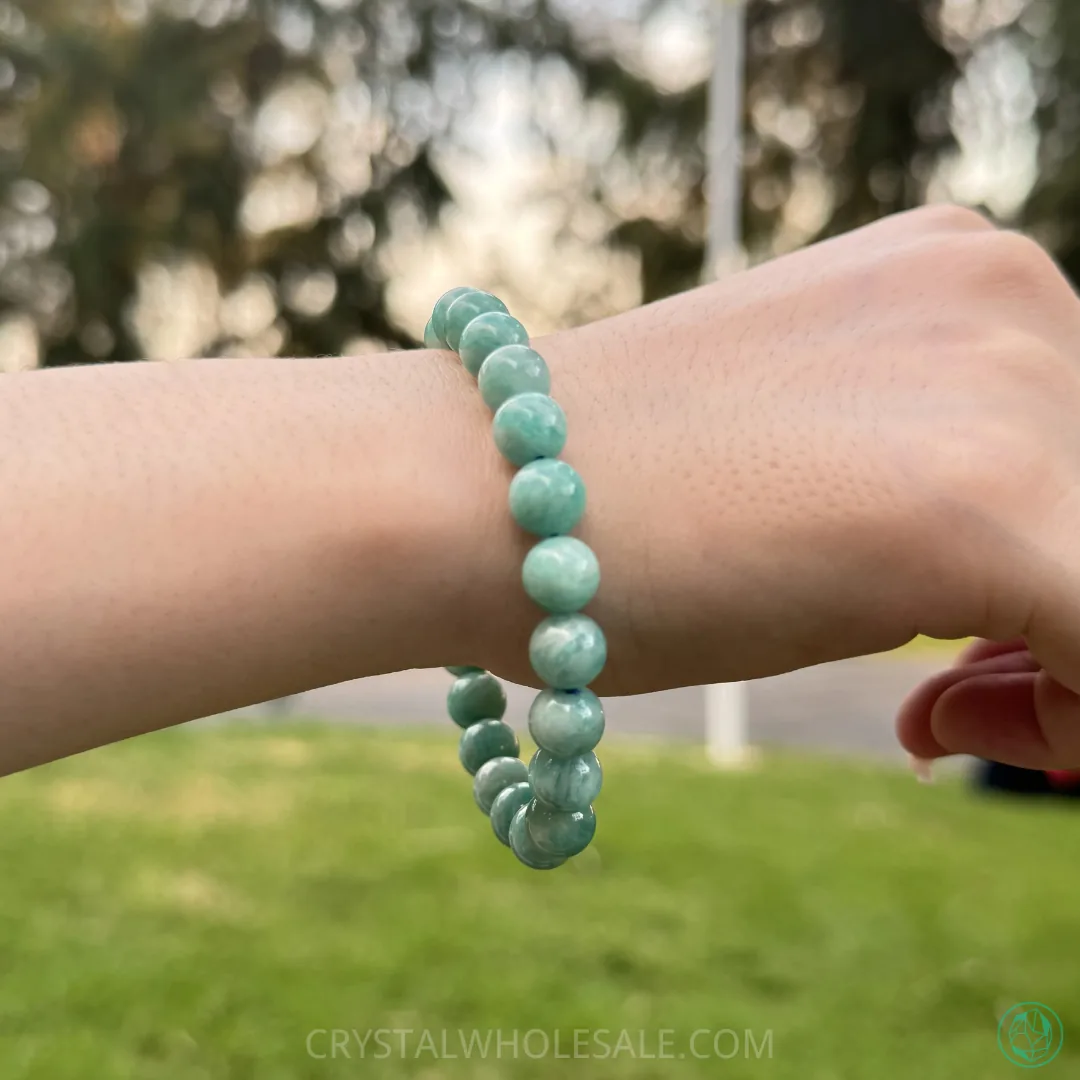
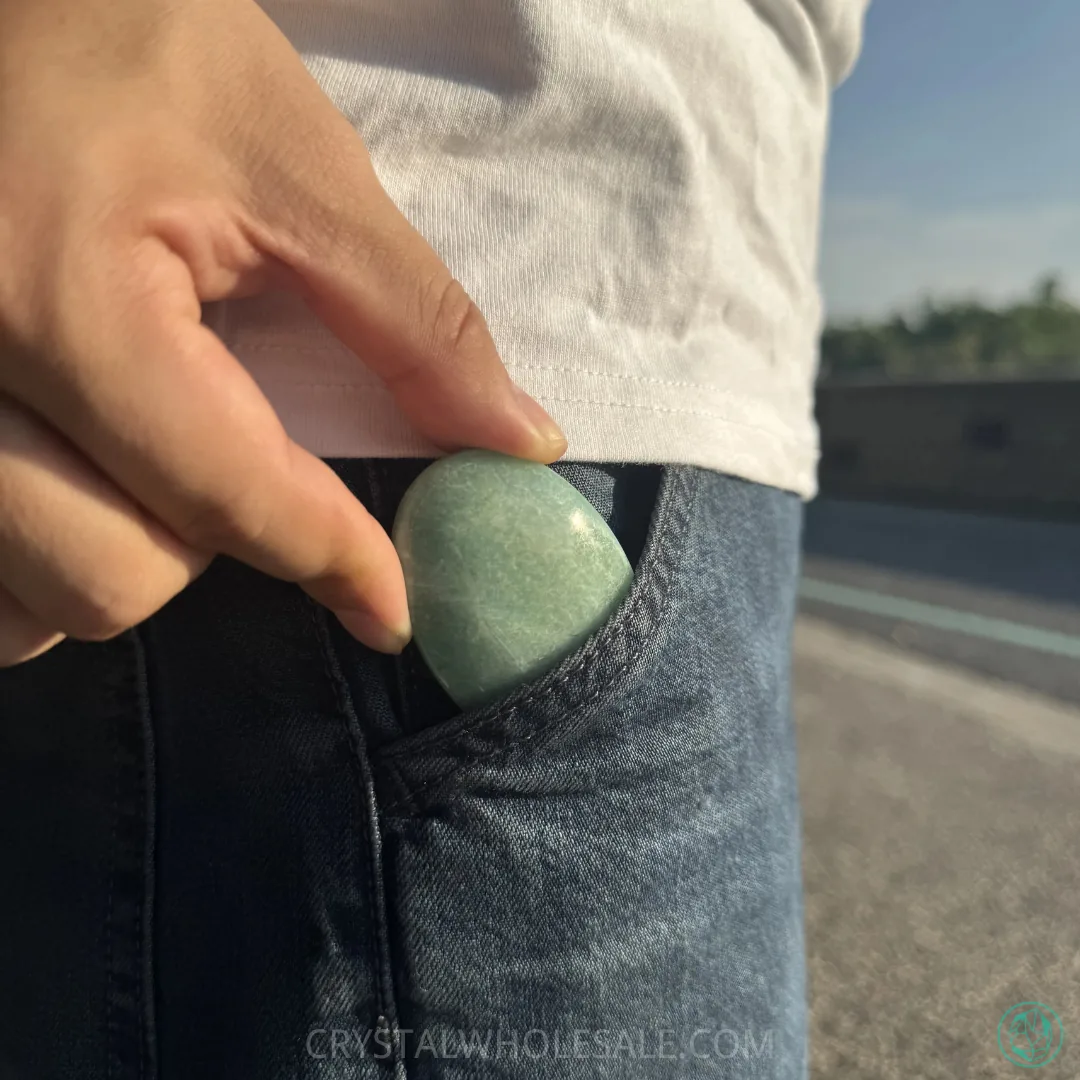
For daily emotional support, amazonite can be worn throughout the day as a bracelet or carried as a small polished stone. Palm stones are especially useful before journaling, meditation, quiet reflection, or difficult conversations, helping calm the mind and support more grounded expression. For highly sensitive people, those who are emotionally reactive, or those who easily fall into mental spirals, amazonite is one of the best stones for emotional regulation, clear self-expression, and stronger self-acceptance.
Amazonite supports relaxation, detoxification, energetic protection, and physical comfort. Its energy helps release stress held in the chest, throat, shoulders, and nervous system, making it especially helpful for tension, fatigue, heaviness, and sensory overload caused by long periods of work or emotional strain.
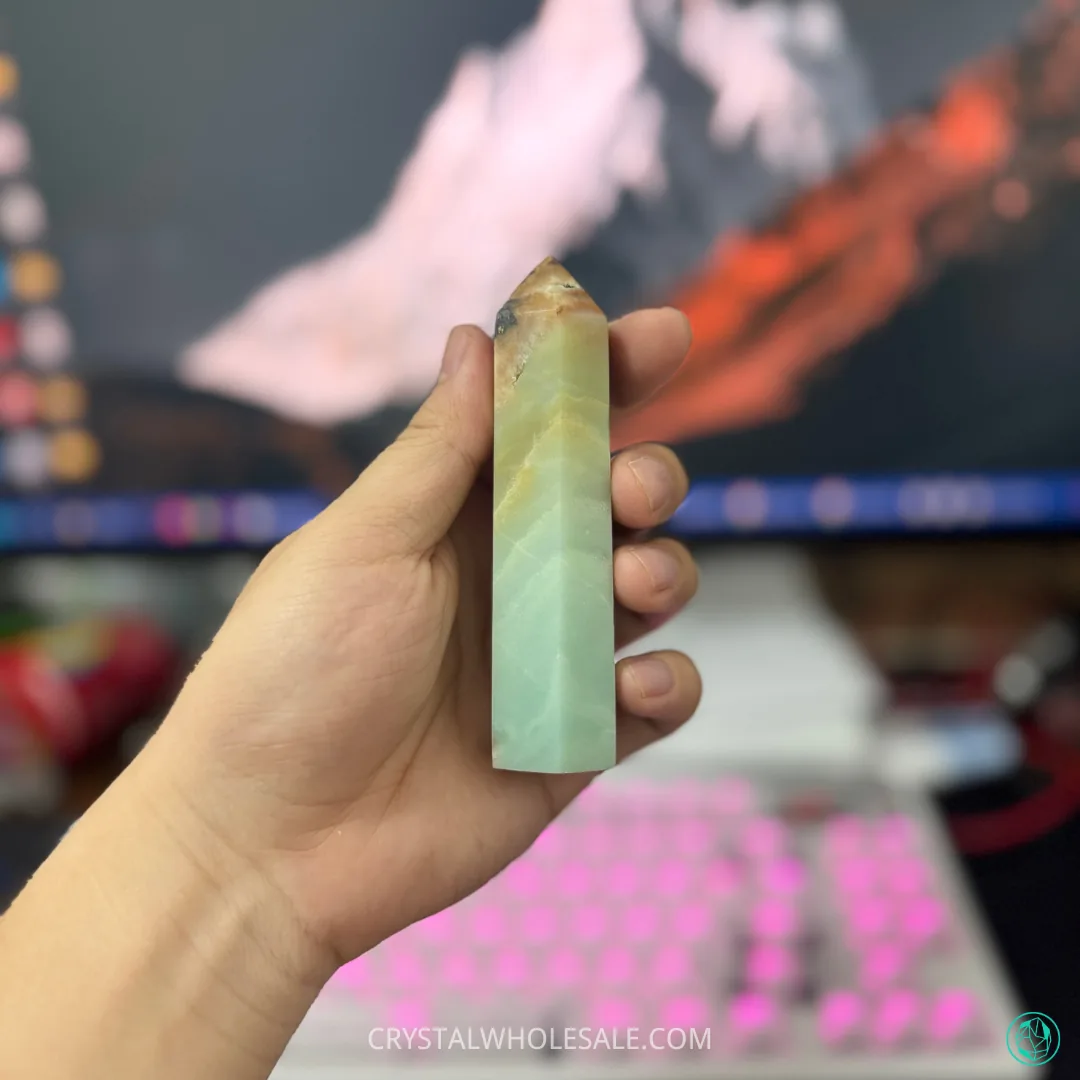
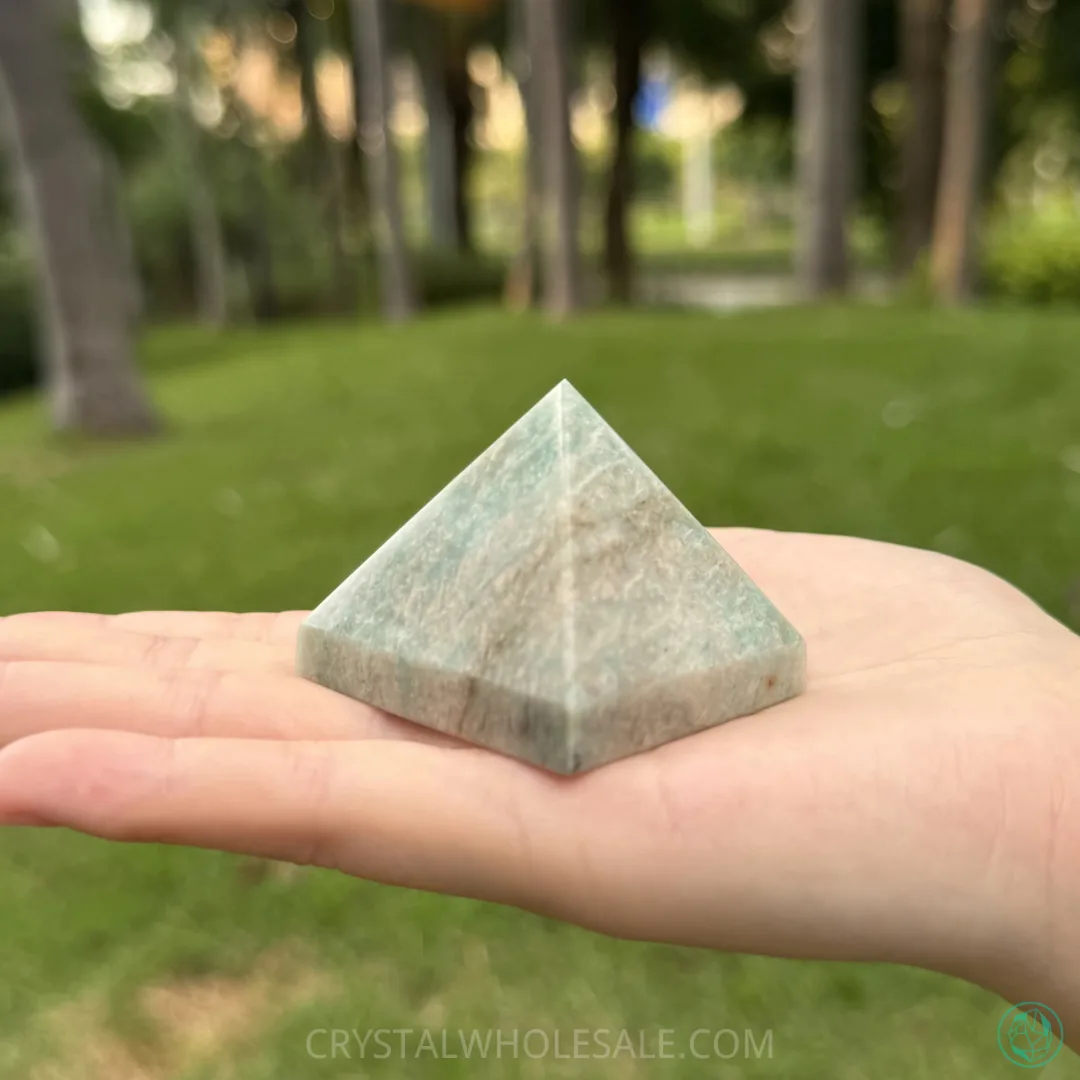
Amazonite also supports the body’s ability to absorb calcium more efficiently from food, helping ease discomfort linked to low calcium levels, such as loose teeth, bone weakness, and joint discomfort. Wearing amazonite while increasing daily calcium and trace mineral intake brings the best results.
| Property | Detail |
|---|---|
| Mineral Family | Feldspar |
| Variety | Microcline variety |
| Crystal System | Triclinic |
| Luster | Vitreous |
| Transparency | Opaque to translucent |
| Cleavage | Two perfect cleavage directions |
| Streak | White |
| Specific Gravity | 2.56–2.58 |
From a mineralogical standpoint, amazonite is generally regarded as the gem variety of microcline. Its fundamental identity is still feldspar, not a separate mineral species. It belongs to the alkali feldspar group, so it retains the structural, cleavage, and luster characteristics typical of feldspar. Within the feldspar family, amazonite sits alongside moonstone, labradorite, and sunstone as one of the better-known feldspar gems. What sets amazonite apart, however, is not an optical phenomenon, but its consistently blue-green feldspar appearance.
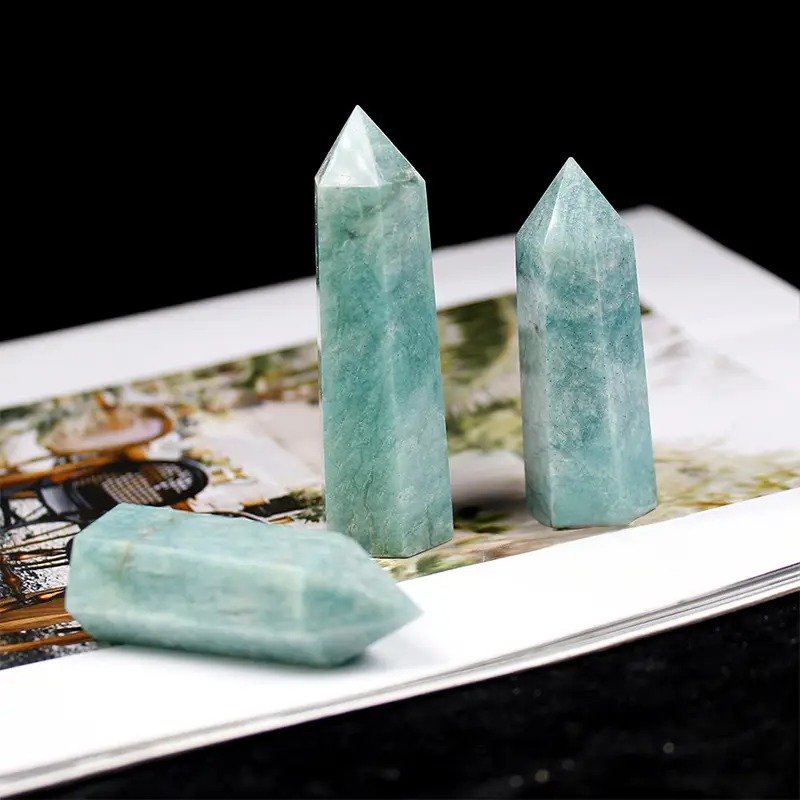
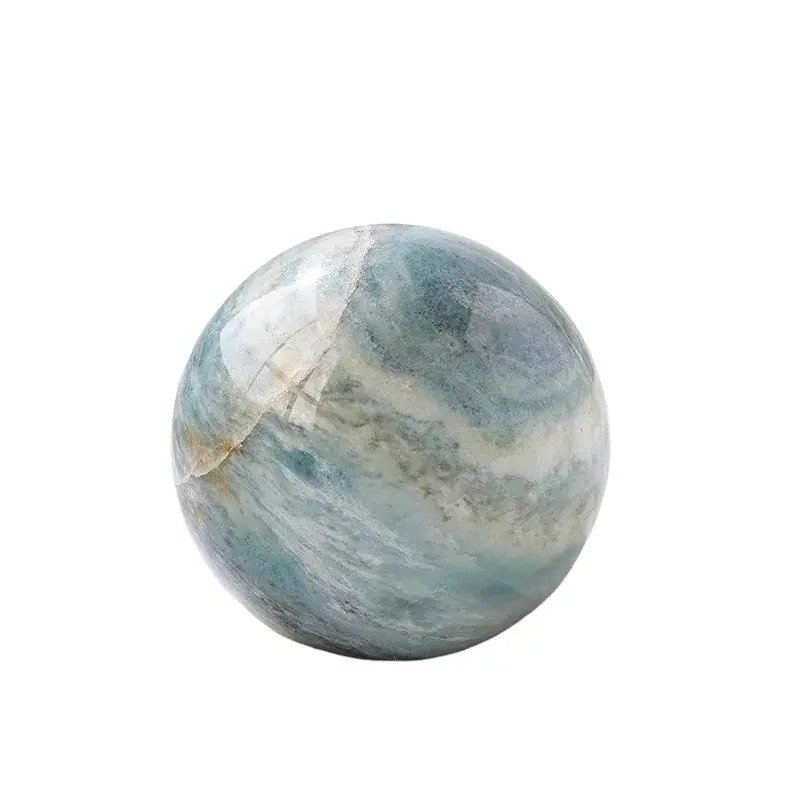
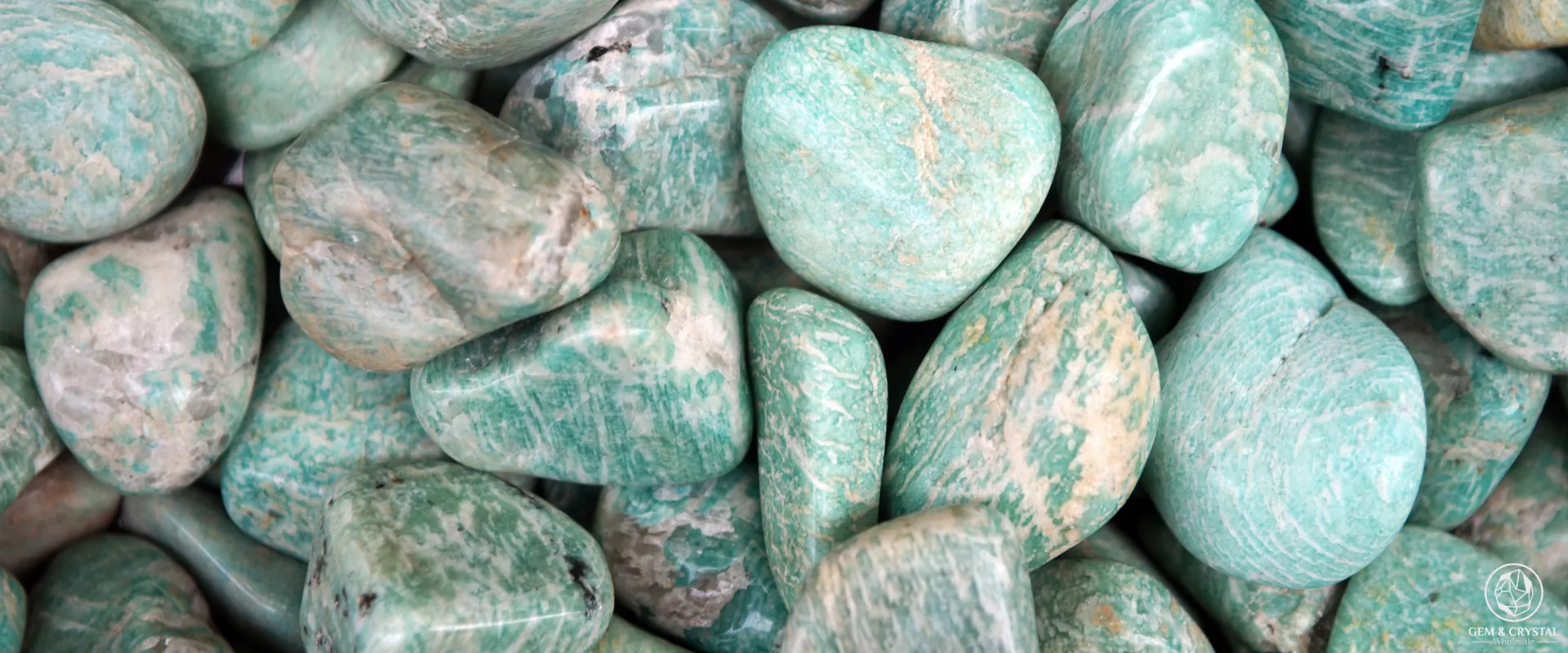
Amazonite is best known for its blue-green to green body color, often accompanied by white streaks, pale web-like patterning, cloudy patches, or irregular color zoning. Fine amazonite rarely looks like a flat, uniform solid color. Instead, it usually shows a distinct feldspar texture and a natural structural character. Its blue-green color is commonly linked to lead impurities, structurally bound water, and natural irradiation, which is one of the main reasons it stands apart from ordinary pale feldspars. Compared with similarly colored materials such as turquoise or chrysocolla, amazonite tends to look harder and more feldspathic, with a blockier texture rather than a porous or waxy surface.
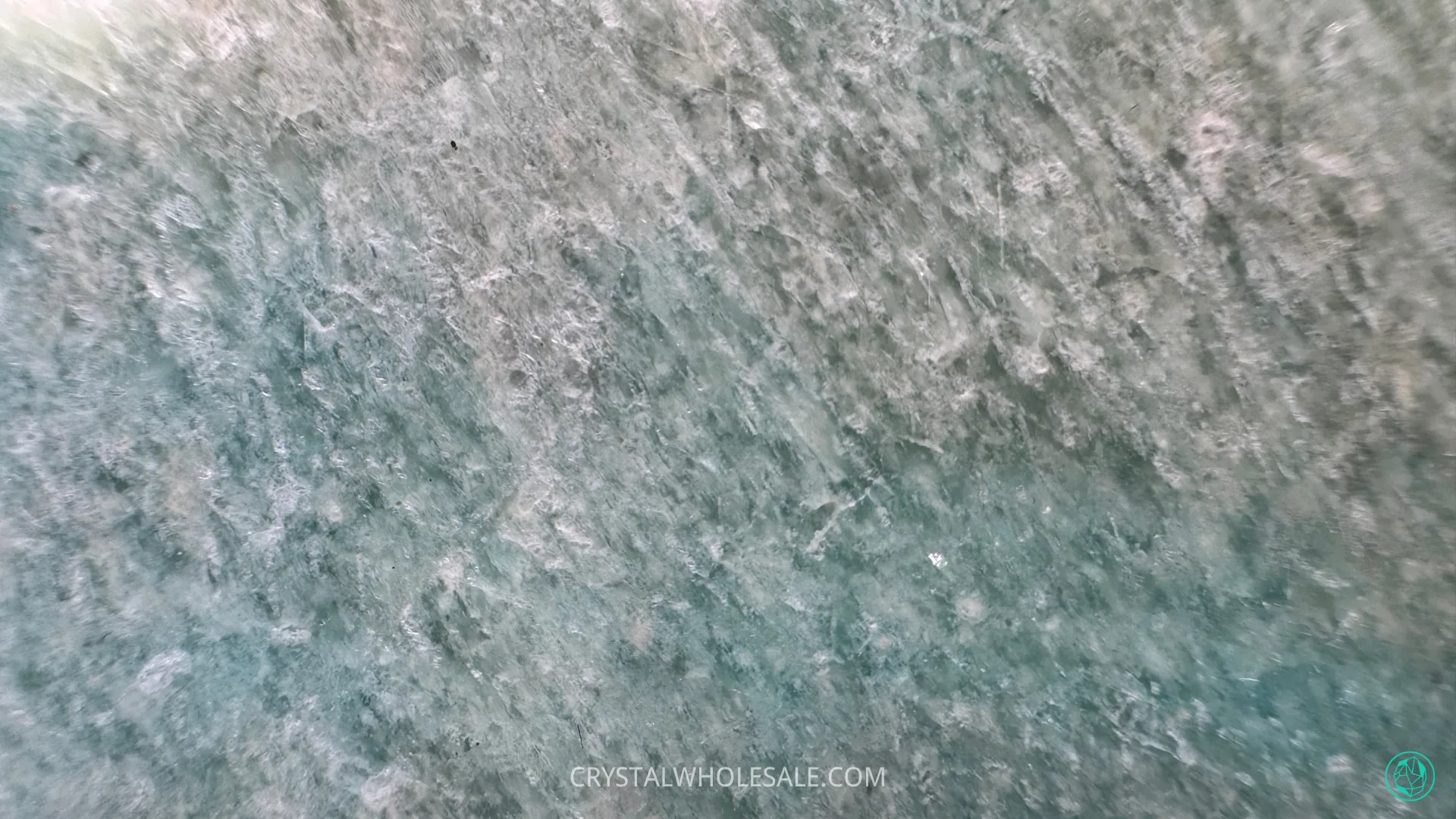
Amazonite is most commonly associated with felsic intrusive environments. It is often found in granite, granite pegmatites, and syenite, and it can also occur in metamorphic rocks ranging from greenschist to amphibolite facies, in hydrothermal veins, and even as detrital material in sedimentary settings. In that sense, amazonite has a fairly broad geological distribution. The finest, most vividly colored material is especially common in pegmatites, where three conditions are often present in the late stage: large crystal-growing space, slow cooling, and strong volatile and fluid activity. The most striking development of amazonite is closely tied to the water-rich crystallization environment of late-stage pegmatites. In a real sense, amazonite is one of the visual expressions of the final stage of residual melt evolution.
In natural associations, amazonite commonly occurs with quartz, albite, muscovite, biotite, and related minerals. Based on our amazonite specimen sampling data, the most frequent associated minerals include Quartz (82), Smoky Quartz (76), Albite (65), and Cleavelandite (43). That also helps explain why the amazonite-and-smoky-quartz combination has become such a classic mineral specimen pairing.
Among major localities, Pikes Peak, Colorado, is one of the most iconic classic sources. The batholith covers roughly 1,200 square miles and formed about 1.08 billion years ago. Morefield Mine in Virginia, discovered in 1929, is another notable source, with a pegmatite body about 2,000 feet long, an estimated depth of around 300 feet, and more than 70 recorded mineral species. In the commercial market, material from Brazil, Russia, and parts of Africa is more commonly seen in circulation, while Colorado and Virginia are more strongly associated with classic mineral specimens and collector-grade material.
By around 3000 BCE, amazonite was already being used in the ancient world to make ornaments, amulets, vessels, beads, and gemstones. Ancient amazonite objects have been found in Egypt, Mesopotamia, and northern India, showing that its use was not limited to a single civilization. In Pharaonic Egypt, amazonite was regarded as one of the most prized ornamental stones and was used in jewelry, inlays, and luxury objects.
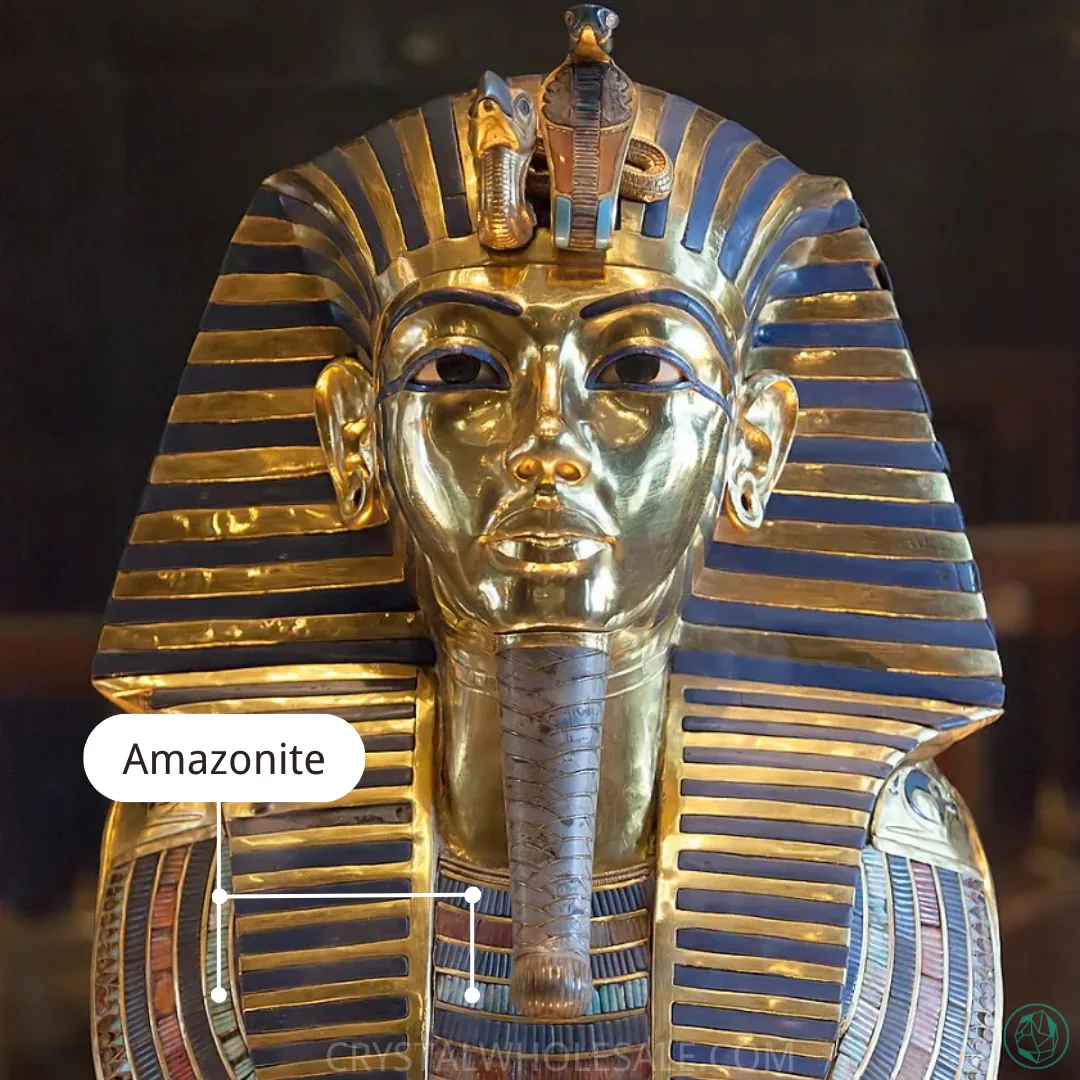
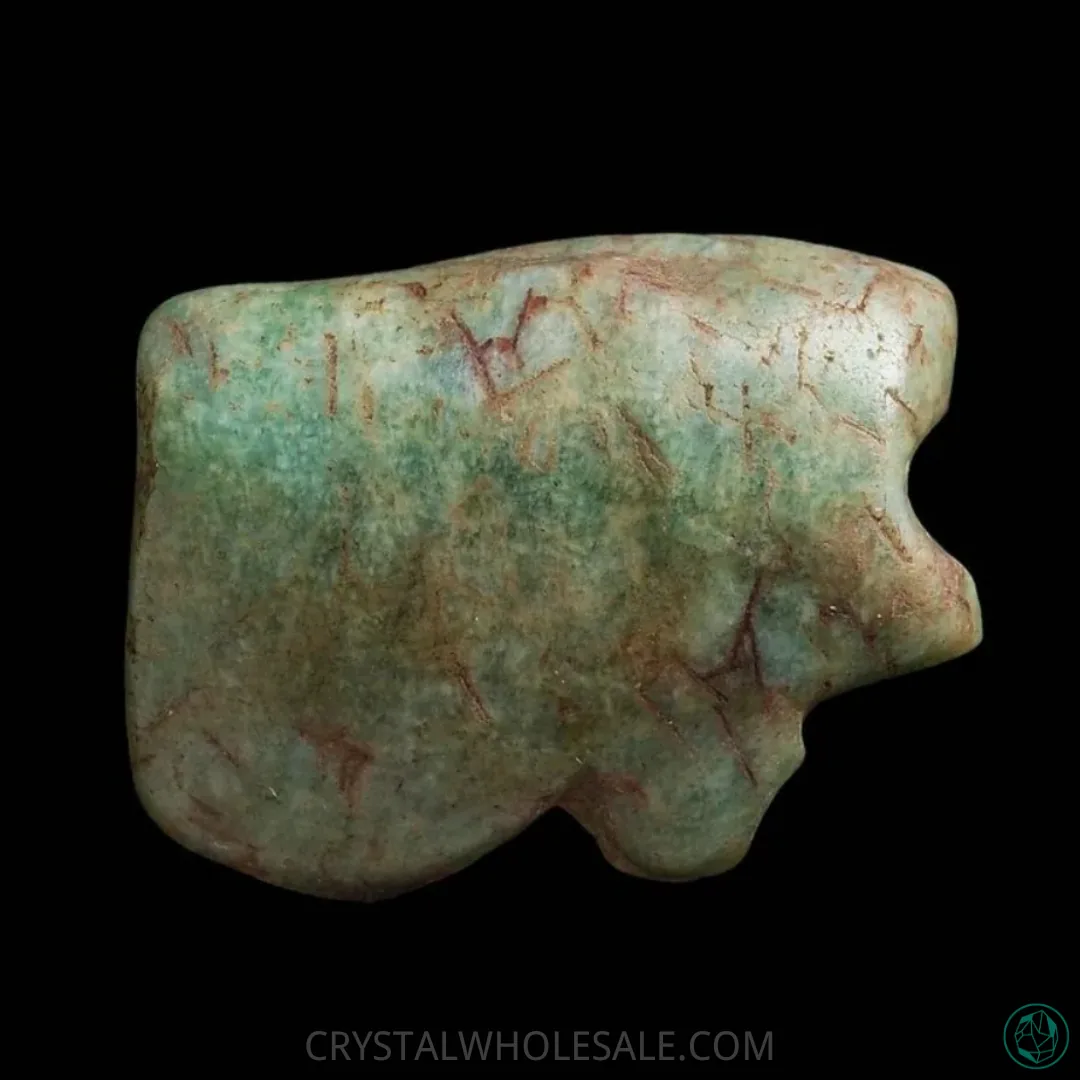
Amazonite on the mask of Tutankhamun in ancient Egypt and ancient Egyptian amulets
In the centuries that followed, amazonite continued to be valued as a decorative and carving stone.
The modern name amazonite was formally established in 1847 by the German mineralogist Johann Friedrich August Breithaupt. He named the mineral after a supposed locality “near the Amazon River.” However, this geographic association is historically misleading, as amazonite is not actually known to come from the Amazon region of Brazil. There is also a popular tradition that the name may have been given in honor of the legendary Amazon warriors.
During the 19th century, as mineral collecting and gemstone studies expanded, amazonite became better known in Europe and North America. Russian amazonite, especially material from the Miass / Ilmen Mountains region, had already gained wide recognition among collectors and buyers.
Amazonite is pronounced uh-MAZ-uh-nite. Standard dictionary pronunciations render it as /ˈa-mə-zə-ˌnīt/ or equivalent stress patterns.
Clear Quartz and Rose Quartz are two of the best crystals to pair with Amazonite. Clear Quartz is often used to amplify and clarify energy, which complements Amazonite’s associations with clarity, balance, and expression. Rose Quartz adds a softer emotional tone and supports inner calm and heart-centered balance. In crystal practice, both pairings are natural and widely used.
Clear Quartz and Rose Quartz are two of the best crystals to pair with Amazonite. Clear Quartz is often used to amplify and clarify energy, which complements Amazonite’s associations with clarity, balance, and expression. Rose Quartz adds a softer emotional tone and supports inner calm and heart-centered balance. In crystal practice, both pairings are natural and widely used.
Yes, but only briefly. Amazonite can be rinsed in water for a short time, but it should not be soaked for long periods. As a feldspar with perfect cleavage, Amazonite may have cleavage planes, internal fractures, or treatments, and prolonged soaking may affect its surface condition or overall stability.
Short everyday exposure is fine, but prolonged direct sun is not recommended. Normal daily wear in natural light is generally not a problem, but strong direct sunlight, especially in summer or around midday, should be avoided. Amazonite’s color is related to lead-associated color centers and the water/defect structure within feldspar, and long light exposure may gradually weaken or fade these color effects.
Amazonite is generally safe for normal handling and wear. The main concern is not touching it, but avoiding its use in direct-contact gem water and avoiding dust inhalation during cutting or grinding.
Amazonite does not present any meaningful consumer-level radiation risk. As a potassium feldspar, it only carries the trace level of natural background radioactivity commonly found in minerals, so normal wearing and handling are considered safe.
Yes. Amazonite is often used for calm, balance, and a softer emotional atmosphere, so many people keep it near the bed or on a nightstand to support a more peaceful sleep environment.
Amazonite works well in a bedroom, living room, workspace, or meditation area. It is commonly placed in spaces where a calmer mood, emotional ease, or smoother communication is desired.
Amazonite can often be identified by its natural blue-green color, along with white streaks, bands, or mottled patterns. Genuine Amazonite usually does not look perfectly even or overly flawless in color. It can also be checked with a Mohs hardness test, as Amazonite typically has a hardness of 6 to 6.5.
Amazonite is not especially rare. In the current market, ordinary rough material is generally affordable. At CrystalWholesale.com, high-quality rough Amazonite pieces in the 1–5 cm size range are priced at about $22.68 per lb, while comparable rough material on the market is often around $40–$80 per kg, depending on quality, color, size, and overall grade.
Yes, Amazonite can be worn every day, but it should be treated with care. Avoid strong impact, chemical soaking, prolonged water exposure, and extended direct sun exposure.